Key Takeaways
- Anxiety nausea fades once the stressor passes, while medical nausea follows a physical cause and persists on its own timeline.
- Companion symptoms are the most reliable clue, since anxiety nausea comes with a racing heart and tight chest, while medical nausea often brings fever, vomiting, or localized pain.
- When nausea consistently tracks your stress levels, treating the anxiety is more effective than treating the stomach alone.
- Structured residential and outpatient programs, including those at A Mission for Michael (AMFM) Mental Health Treatment, address both the psychological triggers and the physical side effects of anxiety at the same time.
- AMFM Mental Health Treatment uses evidence-based treatments like Cognitive Behavioral Therapy (CBT) and provides continuous clinical support to break the cycle where anxiety drives nausea and nausea amplifies anxiety.
What’s the Difference Between Anxiety Nausea and Real Nausea?
Anxiety nausea fades when the stressor does, while medical nausea does not. That single pattern is the clearest way to tell them apart. Anxiety nausea typically clears within hours; food poisoning, by comparison, lasts 24 to 48 hours.
The sections below walk through the specific signs that separate the two, from how each type feels to how fast it hits. If anxiety is driving your symptoms, AMFM Mental Health Treatment offers residential and outpatient programs designed to treat the psychological and physical sides of anxiety at the same time.
Physical Differences Between Anxiety Nausea & Medical Nausea
While both types of nausea can feel equally uncomfortable, there are subtle but meaningful differences in how they manifest physically.

Location & Sensation: Where You Feel It
Anxiety nausea typically presents as a fluttery, unsettled feeling in the upper stomach or chest area. Many describe it as a “butterflies” sensation or a churning feeling that comes in waves, often accompanied by tightness.
The sensation may spread throughout your abdomen, but usually concentrates in the upper digestive tract. Medical nausea, by contrast, often feels more consistent and may be localized differently depending on the cause.
Food poisoning typically causes lower abdominal discomfort, while vestibular issues (such as motion sickness) cause a more persistent, dizzy type of nausea centered in both the head and stomach. Viral gastroenteritis (stomach flu) usually presents with more generalized abdominal discomfort that may be accompanied by cramping.
Duration & Pattern: How Long It Lasts
One of the most telling differences between anxiety nausea and medical nausea is the pattern and duration. Anxiety-induced nausea typically follows the anxiety cycle. It comes on during periods of heightened stress or worry and subsides as anxiety levels decrease.
You might notice it worsens in anticipation of stressful events and improves once the event passes or when you implement relaxation techniques. Medical nausea, however, often follows a more predictable timeline based on its cause.
Food poisoning typically lasts 24–48 hours, pregnancy-related nausea may follow a daily pattern (often worse in the morning), and viral illnesses usually persist until the infection resolves.
Onset Speed: Gradual vs. Sudden
Pay attention to how quickly your nausea develops. Anxiety-induced nausea typically builds gradually as anxiety increases, often beginning with mild uneasiness and progressing to more pronounced nausea as stress levels rise.
You might notice early warning signs, such as racing thoughts or an increased heart rate, before the nausea fully manifests. Medical nausea, particularly from food poisoning or viral infections, often has a more sudden onset with little warning.
One moment you feel fine, and the next you’re overwhelmed with nausea. This rapid development, mainly when it occurs without an obvious anxiety trigger, suggests a physical rather than psychological cause.
Companion Symptoms That Reveal the Source
Physical Symptoms That Accompany Anxiety Nausea
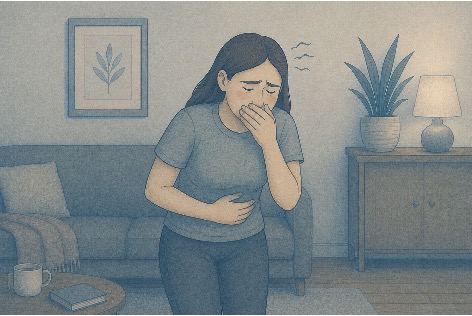
When anxiety is driving your nausea, you’ll typically experience a constellation of other anxiety-related physical symptoms simultaneously. These often include increased heart rate, rapid breathing, sweating, trembling, chest tightness, or a feeling of choking.
You might notice muscle tension throughout your body, particularly in your neck, shoulders, and jaw. Dizziness, lightheadedness, feeling faint, or sensations of hot flashes or chills commonly occur alongside anxiety nausea.
Physical Symptoms That Signal Medical Nausea
Medical causes of nausea typically present with distinct symptom patterns. Vomiting that provides relief (rather than continuing discomfort) strongly suggests a medical reason. Fever, especially over 100°F, rarely occurs with anxiety alone and points toward infection or inflammation.
Other telling physical signs include diarrhea, significant abdominal pain (mainly if localized to specific areas), blood in vomit or stool, jaundice (yellowing of skin/eyes), or unintended weight loss. Headaches accompanied by sensitivity to light or vision changes, particularly if they worsen with movement, suggest neurological causes rather than anxiety-induced nausea.
The Overlap Zone: When Symptoms Coexist
The complexity of distinguishing between anxiety nausea, and medical nausea increases because these conditions can trigger and exacerbate each other. Feeling physically ill naturally causes anxiety for most people, and this anxiety can then intensify physical symptoms, creating a difficult-to-break cycle.
Additionally, chronic stress and anxiety can weaken your immune system and disrupt your digestive processes, potentially making you more susceptible to the very infections and digestive disorders that cause medical nausea.
Anxiety Nausea vs Real Nausea: Comparison Table
| Characteristic | Anxiety Nausea | Real Nausea |
| Timing | Often correlates with stressful events or thoughts | May occur regardless of stress level or time of day |
| Duration | Fluctuates with anxiety levels | Usually follows a consistent course until the condition resolves |
| Relief methods | Responds to relaxation techniques, distraction | Typically requires medical intervention or time |
| Associated symptoms | Racing heart, sweating, shortness of breath | Fever, vomiting, diarrhea, pain |
| Sensation | Often described as “butterflies” or churning | May feel more intense and consistent |
When Should You Seek Medical Help?
While many cases of anxiety-induced nausea can be managed with self-care strategies, specific symptoms should prompt immediate medical attention. Never dismiss persistent or severe symptoms as “just anxiety” without proper medical evaluation, as this could lead to delayed diagnosis of severe conditions.
Even if you have a diagnosed anxiety disorder and frequently experience nausea as a symptom, new or changing patterns of nausea should be evaluated by a healthcare provider. Anxiety can coexist with medical conditions, and assuming symptoms are anxiety-related could cause you to miss vital warning signs.
Consider your overall health context when deliberating about seeking help. If you’ve recently traveled to areas with different food or water sources, been exposed to illness, started new medications, or experienced significant changes in your digestive patterns, these factors increase the likelihood of a medical cause requiring professional attention.
Get Anxiety Support at A Mission For Michael (AMFM)

Telling anxiety nausea apart from medical nausea comes down to patterns: what triggers it, how long it lasts, and what other symptoms show up alongside it. Once you recognize those patterns, you can stop second-guessing your body and start addressing the actual source of your discomfort.
At AMFM Mental Health Treatment, we treat anxiety as the whole-body condition it is, including the physical symptoms that come with it. Our residential and outpatient programs combine CBT, DBT, and 24/7 clinical support to help you break the cycle.
Frequently Asked Questions (FAQs)
Can anxiety nausea cause vomiting, or is that always a sign of illness?
Anxiety can indeed cause vomiting during severe episodes or panic attacks due to significant digestive disruption from the stress response. However, frequent vomiting is more characteristic of medical conditions. The key difference is pattern: anxiety-related vomiting resolves as anxiety diminishes.
Why does my anxiety nausea feel worse in the morning?
Anxiety nausea worsens in the morning because cortisol peaks in the early morning, an empty stomach makes acid imbalances more noticeable, and many people experience heightened anxiety anticipating daily stressors. Eating a small, bland breakfast and practicing gentle morning relaxation can help manage this pattern.
How quickly can anxiety trigger nausea symptoms?
Anxiety can trigger nausea within seconds to minutes as the fight-or-flight response immediately diverts blood from digestive organs. For some people, even anticipating a stressful event can trigger persistent low-level nausea hours or days beforehand that intensifies as the event approaches.
Will anti-nausea medication work for anxiety-induced nausea?
Anti-nausea medications may provide temporary relief, but don’t address the underlying cause. For sustainable management, treating the anxiety itself through therapy, stress-reduction techniques, or appropriate medications offers better long-term results than relying solely on symptom-focused treatments.
How can AMFM Mental Health Treatment help with anxiety that causes physical symptoms like nausea?
AMFM provides residential treatment addressing both the psychological and physical manifestations of anxiety. Our programs include evidence-based therapies like CBT and DBT, 24/7 support, and holistic approaches that help individuals understand and manage the mind-body connection, driving symptoms like anxiety nausea.