




Key Takeaways
- Anxiety shivering happens when the body’s fight-or-flight response releases stress hormones that trigger trembling, shaking, or chills even when there is no physical danger.
- The fastest ways to stop anxiety shivering include controlled breathing, grounding exercises, temperature changes, physical movement, hydration, and weighted pressure techniques that calm the nervous system.
- Combining multiple anxiety relief methods often works better than relying on a single technique because it addresses both the mental and physical aspects of the stress response.
- Professional support may be necessary when anxiety shivering becomes frequent, interferes with daily life, or occurs alongside symptoms such as chest pain, persistent dizziness, or breathing difficulties.
- AMFM Mental Health Treatment helps people overcome recurring anxiety symptoms through personalized residential programs that combine evidence-based therapies, holistic care, and individualized treatment planning.
How to Stop Shivering from Anxiety?
Anxiety shivering responds well to hands-on techniques. Controlled breathing, grounding exercises, temperature changes, movement, and weighted items can all interrupt the body’s fight-or-flight response within minutes. The 4-7-8 breathing method tends to act fastest, with most people noticing reduced trembling after just four breath cycles.
Mild and severe cases call for different approaches, and the right method depends on what triggered the shivering in the first place. While occasional shivering may respond well to self-help techniques, recurring physical symptoms often signal a deeper anxiety pattern that requires more comprehensive care. Addressing the root cause is important for preventing symptoms from repeatedly returning.
A Mission For Michael’s (AMFM) treatment programs use Cognitive Behavioral Therapy (CBT), Dialectical Behavior Therapy (DBT), and holistic therapies to treat the anxiety driving physical symptoms like shivering. The sections below break each technique down step by step.
What Techniques Can Help Stop Anxiety Shivers?
1. Deep Breathing with The 4-7-8 Method
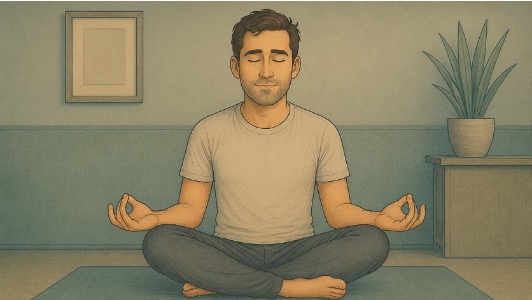
The 4-7-8 breathing technique is particularly effective because it activates your parasympathetic nervous system, which is the body’s natural calming mechanism. This is how the breathing technique works:
- Begin by inhaling quietly through your nose for 4 seconds.
- Hold your breath for 7 seconds to create a brief pause that helps reset your nervous system.
- Exhale completely through your mouth for 8 seconds, making a whooshing sound if comfortable.
Repeat this cycle four times when you first begin practicing, as overdoing it might cause lightheadedness. As you become more comfortable with the technique, you can increase to eight repetitions.
2. Progressive Muscle Relaxation
Progressive muscle relaxation (PMR) directly addresses the physical tension that contributes to shivering. Follow these steps:
- Begin by deliberately tensing a specific muscle group for 5–10 seconds.
- Quickly release and relax it for 15–20 seconds.
This tension-release pattern sends powerful signals to your nervous system that it’s safe to relax. Start with your feet and work your way up through your body: calves, thighs, abdomen, hands, arms, shoulders, neck, and face.
3. Apply Temperature Change
Temperature interventions can quickly interrupt the anxiety cycle. Hold something cold like an ice cube, a cold water bottle, or even splash cold water on your face to trigger what’s called the mammalian dive reflex.
This evolutionary response immediately slows your heart rate and redirects blood flow, often stopping shivers in their tracks. For some people, the opposite approach works better: wrapping yourself in a warm blanket or holding a heating pad can provide the security and comfort needed to calm your body’s trembling response.
4. 5-4-3-2-1 Grounding Technique
When anxiety makes you shiver, your mind has likely disconnected from the present moment. The 5-4-3-2-1 grounding technique pulls you back to reality by engaging all five senses. Start by acknowledging five things you can see around you, focusing on details like colors and shapes.
Next, identify four things you can physically feel: the texture of your clothing, the pressure of your feet against the floor. Then note three things you can hear, two things you can smell, and finally, one thing you can taste (or one good quality about yourself).
This effective mindfulness exercise works by redirecting your brain’s focus from internal anxiety to external sensory information. When your attention shifts outward, your body often receives the message that there’s no immediate threat.
5. Quick Physical Movement to Redirect Energy
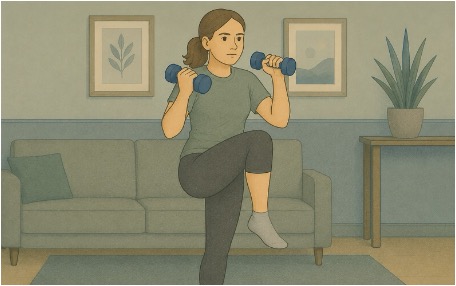
Try doing 10 jumping jacks, marching in place for 30 seconds, or even vigorous arm circles. The goal isn’t an intense workout but rather a quick release of pent-up energy, which causes your trembling.
If you’re in a situation where large movements aren’t appropriate, even small actions can help. Try squeezing a stress ball, tapping your feet in a rhythmic pattern, or tensing and releasing your thigh muscles while seated. These movements give purpose to the excess energy and can significantly reduce visible shaking within minutes.
6. Hydrate & Fuel Your Body
Dehydration and low blood sugar can intensify anxiety symptoms, including shivering. When you notice a trembling beginning, drink a full glass of water slowly and mindfully. Also, have a small snack that combines complex carbohydrates with protein, such as a banana with peanut butter or a handful of nuts, to help stabilize your blood sugar levels.
The simple act of drinking water serves multiple purposes: it addresses potential dehydration, creates a moment of pause for your nervous system, and gives you something concrete to focus on besides your anxiety.
7. Use Weighted Items for Comfort
Weighted items provide proprioceptive input that can quickly calm an overactive nervous system. A weighted blanket (ideally 10% of your body weight) creates gentle, distributed pressure that mimics the sensation of being held, triggering the release of serotonin and dopamine while reducing cortisol levels.
If you don’t have a weighted blanket handy, improvise with what you have. Try wrapping yourself tightly in a regular blanket, wearing multiple layers of clothing, or even placing a heavy book on your lap. The pressure sends signals to your brain that you’re secure, often significantly reducing trembling.
When Should You Seek Professional Help for Anxiety Shivers?
While the techniques mentioned above effectively address anxiety-related shivering for many people, it’s important to recognize when professional support is needed. Persistent physical symptoms of anxiety that significantly impact your daily functioning deserve professional attention and care.
Physical Symptoms That Shouldn’t Be Ignored
Seek medical evaluation if your shivering is accompanied by chest pain, difficulty breathing, numbness or tingling that doesn’t resolve quickly, persistent dizziness, or fainting.
These could indicate an underlying medical condition requiring treatment. Similarly, if your trembling occurs without any apparent anxiety trigger or if it continues long after the anxiety-provoking situation has passed, consult with a healthcare provider.
Treatment Options That Target Anxiety-Related Shivering
Mental health professionals offer several effective approaches for addressing anxiety and its physical manifestations. Cognitive Behavioral Therapy (CBT) has shown powerful results for anxiety-related physical symptoms by helping you identify and change the thought patterns that intensify your body’s stress response.
Biofeedback training can be especially beneficial for physical symptoms like shivering. This approach uses sensors to display real-time data on your body’s functions: heart rate, muscle tension, and skin temperature, as you practice various relaxation techniques.
This visual feedback helps you learn precisely which strategies most effectively calm your specific physical response cases.
Get Professional Support for Anxiety Shivering at AMFM Mental Health Treatment

The listed techniques work because they interrupt anxiety shivering at the physical level. Breathing, grounding, movement, and pressure all give the nervous system a concrete signal to stand down. For most people, combining two or three of these methods produces the fastest relief.
When shivering keeps returning despite consistent effort, the underlying anxiety usually needs more structured attention. At AMFM, our residential programs combine CBT, DBT, and holistic therapies to address anxiety at its root. We work with each person individually, so the coping tools you leave with are ones that actually fit your life. Contact AMFM today to learn how personalized anxiety treatment can help you find lasting relief.
Frequently Asked Questions (FAQs)
Why do I only shiver during certain anxiety situations?
Your body reacts more strongly to specific situations based on past experiences and perceived threat levels. Accumulated stress also plays a role. When your anxiety tolerance is already depleted from ongoing stressors, even small triggers can cause physical symptoms like shivering.
Can shivering happen without feeling anxiety?
Yes, this is called somatic anxiety. Your body may respond to stress before your conscious mind notices it, or you may be so used to anxiety that it no longer registers mentally, even as your body reacts physically, such as through trembling.
Is anxiety shivering different from panic attack trembling?
Anxiety shivers typically build gradually and persist at lower intensity, while panic trembling comes on suddenly, peaks within minutes, and is often more intense. Both respond to breathing techniques and grounding exercises, though panic symptoms may need more intensive interventions.
How can AMFM Mental Health Treatment help with severe anxiety symptoms like shivering?
AMFM Mental Health Treatment provides comprehensive residential treatment addressing both psychological and physical anxiety manifestations. Our programs combine evidence-based therapies like CBT and DBT with holistic approaches, 24/7 support, and personalized treatment plans to help you develop lasting coping skills.