

Key Takeaways
- Anxiety-driven shortness of breath happens when your fight-or-flight response triggers shallow, chest-dominant breathing and pulls you into a hyperventilation cycle.
- Chronic anxiety can quietly reshape how you breathe over time, leaving you breathless even during ordinary moments like sitting at your desk or lying in bed.
- Diaphragmatic breathing, the 4-7-8 method, mental distraction techniques, and short walks can stop an episode within minutes by activating your parasympathetic nervous system.
- Daily deep breathing practice, regular aerobic exercise, and cutting back on caffeine retrain your nervous system over time so breathlessness episodes become less frequent and less intense.
- AMFM Mental Health Treatment treats the root anxiety driving your breathlessness through evidence-based therapies like CBT across accredited residential and outpatient programs.
How Can You Reduce Shortness of Breath Due to Anxiety?
Diaphragmatic breathing, the 4-7-8 method, mental distraction, and short walks can stop anxiety-driven shortness of breath by activating your parasympathetic nervous system and breaking the hyperventilation cycle. Many people feel noticeable relief within a few minutes of slow, controlled breathing, even during an active anxiety spike.
These techniques work fast, but recurring breathlessness usually signals a deeper anxiety issue that needs proper treatment. AMFM Mental Health Treatment helps clients address the root cause through evidence-based therapies like CBT.
Below are the calming techniques you can start using today, plus long-term strategies that retrain your nervous system.
4 Short-Term Techniques to Reduce Shortness of Breath
When anxiety tightens your chest, and your breathing starts to speed up, you need tools that work fast. These techniques interrupt the hyperventilation cycle and signal your nervous system to calm down.
1. Slow Diaphragmatic Breathing
Diaphragmatic breathing, also called belly breathing, is the most direct way to counter anxiety-driven breathlessness. Most people under stress breathe shallowly from their chest, which worsens hyperventilation. Breathing from your diaphragm forces slower, deeper breaths that restore the oxygen-carbon dioxide balance your body needs.
Here’s how to do it:
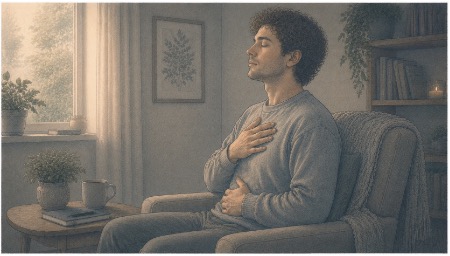
- Sit or lie down in a comfortable position.
- Place one hand on your chest and one on your stomach.
- Inhale slowly through your nose for 6 to 10 seconds, letting your stomach rise while your chest stays still.
- Exhale slowly through pursed lips, letting your stomach fall.
- Repeat for 5 to 10 cycles.
Resist the urge to take a big, gulping breath when you feel breathless. That instinct makes things worse. A slow, controlled breath, even if it feels insufficient at first, is what your nervous system needs.
2. The 4-7-8 Breathing Method
The 4-7-8 technique is a structured pattern that works as a natural tranquilizer for the nervous system. Inhale through your nose for 4 counts, hold your breath for 7 counts, then exhale completely through your mouth for 8 counts.
The extended exhale is the critical part. It activates your parasympathetic nervous system, the body’s “rest and digest” response, directly counteracting the “fight or flight” state driving your breathlessness.
3. Distract Your Mind to Reset Your Breathing
Sometimes the fastest way out of an anxiety breathing loop is to stop focusing on your breath entirely. Hyperventilation is often made worse by monitoring your own breathing. The more attention you give it, the more conscious and irregular it becomes. Engaging your brain in an unrelated task can break this feedback loop naturally.
Effective distraction techniques include:
- The 5-4-3-2-1 grounding method: identify 5 things you can see, 4 you can touch, 3 you can hear, 2 you can smell, and 1 you can taste.
- Counting backward from 100 by 7s.
- Reciting song lyrics or a memorized poem in your head.
- A brief, low-intensity physical task like folding laundry or washing your hands.
4. Go for a Walk to Restore Natural Breathing Rhythm
Light physical movement is effective at resetting anxious breathing. When you walk at a relaxed pace, your body naturally syncs your breath to your stride, pulling you out of the shallow, erratic pattern that anxiety creates. Walking also burns off the excess adrenaline fueling your fight-or-flight response.
You don’t need a long walk. Even 5 to 10 minutes at a comfortable pace, ideally outside in fresh air, can make an impact. Try breathing in for 3 steps and out for 3 steps as you walk. The rhythm acts as a moving breathing exercise, and the change of scenery gives your anxious mind something new to focus on.
3 Long-Term Breathing Strategies That Retrain Your Nervous System
Short-term techniques stop the immediate episode, but if anxiety-related shortness of breath keeps coming back, your breathing patterns may need retraining.
Chronic anxiety can quietly reshape how you breathe over time, creating a shallow, chest-dominant habit that leaves you vulnerable to breathlessness even when you’re not actively stressed. However, this is reversible with consistent practice.
1. Daily Deep Breathing Practice
Building a daily deep breathing habit, even just 5 to 10 minutes per day, recalibrates your nervous system’s baseline stress response. Think of it as strength training for your parasympathetic nervous system.
The more consistently you practice, the lower your resting anxiety becomes, and the less likely you are to tip into hyperventilation when stress hits.
Breathing exercises can relieve anxiety symptoms with regular practice. Schedule your sessions at the same time every day. Morning works best because it sets a calm physiological baseline before stressors accumulate.
2. Consistent Aerobic Activity
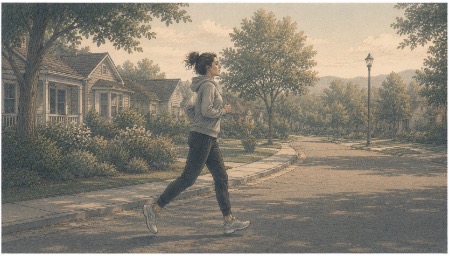
Regular aerobic exercise is one of the most overlooked tools for retraining your nervous system out of chronic anxiety.
Activities like brisk walking, jogging, cycling, and swimming strengthen your respiratory muscles, lower your resting heart rate, and help your body process the stress hormones that fuel shallow breathing. Over time, this raises the threshold at which anxiety symptoms, including breathlessness, are triggered.
You don’t need to train like an athlete to feel the benefits. Pick something you enjoy and can stick with, since consistency matters more than intensity for long-term nervous system regulation.
3. Reducing Caffeine & Other Stimulants
Caffeine is one of the most overlooked triggers of anxiety-related breathlessness. It directly mimics the physical symptoms of anxiety by raising your heart rate, tightening your chest, and shifting you into shallow, rapid breathing.
For people already prone to anxiety, even a moderate amount of coffee, energy drinks, or pre-workout supplements can push the nervous system closer to a panic response.
Cutting back, especially in the afternoon, gives your body a chance to settle into a calmer baseline. Swap in lower-caffeine options like green tea, herbal blends, or decaf, and pay attention to how your breathing patterns shift over the following weeks.
Treating the Root Cause: Managing Anxiety Itself
Every technique above addresses the symptom, but shortness of breath from anxiety will keep returning until the anxiety driving it is properly managed. Cognitive Behavioral Therapy (CBT) is one of the most researched treatments for anxiety disorders, working by restructuring the thought patterns that trigger your physical stress response.
Lifestyle factors matter just as much. Chronic sleep deprivation, high caffeine intake, and poor stress management all lower your anxiety threshold and make breathing symptoms more frequent. For long-term relief, professional support combined with sustainable lifestyle habits is the most reliable approach, and AMFM Mental Health Treatment can help you get there.
7 Techniques to Reduce Shortness of Breath from Anxiety: Summary Table
| # | Technique | Type | How It Works | Best For |
| 1 | Slow Diaphragmatic Breathing | Short-Term | Engages the diaphragm to restore the oxygen and carbon dioxide balance disrupted by hyperventilation | Stopping an active anxiety episode |
| 2 | 4-7-8 Breathing Method | Short-Term | Uses an extended exhale to activate the parasympathetic nervous system | Calming acute anxiety quickly |
| 3 | Mental Distraction (e.g., 5-4-3-2-1 grounding) | Short-Term | Breaks the hyperventilation feedback loop by shifting focus away from your breath | Interrupting breath-monitoring spirals |
| 4 | Short Walk | Short-Term | Syncs breath with stride and burns off excess adrenaline | Resetting erratic breathing patterns |
| 5 | Daily Deep Breathing Practice | Long-Term | Recalibrates the nervous system to a calmer baseline through consistent practice | Reducing how often episodes occur |
| 6 | Consistent Aerobic Activity | Long-Term | Strengthens respiratory muscles, lowers resting heart rate, and processes stress hormones | Raising the threshold for anxiety triggers |
| 7 | Reducing Caffeine and Other Stimulants | Long-Term | Removes substances that mimic and amplify anxiety symptoms | Maintaining a calmer nervous system baseline |
How Can AMFM Help You Manage Your Anxiety?
Breathing techniques and lifestyle changes help significantly, but long-term relief from anxiety-driven breathlessness usually requires professional support. Treating the root cause is what stops the cycle of recurring symptoms and gives you long-term control over your nervous system.
At AMFM Mental Health Treatment, we offer evidence-based care for anxiety disorders across our accredited residential and outpatient programs. Our clinical team uses proven therapies like CBT, Dialectical Behavior Therapy (DBT), and Eye Movement Desensitization and Reprocessing (EMDR), designed to fit each client’s specific needs and goals. Contact us today to learn how personalized treatment can help you regain stability and confidence.
Frequently Asked Questions (FAQs)
Can anxiety cause shortness of breath without a panic attack?
Yes. Generalized anxiety disorder, social anxiety, and even low-level chronic stress can all alter your breathing patterns over time, gradually shifting you toward shallow, chest-dominant breathing.
That’s why you can feel breathless during ordinary moments like sitting at your desk, watching TV, or lying in bed trying to sleep.
How long does shortness of breath from anxiety last?
During an acute anxiety or panic episode, shortness of breath typically resolves within 10 to 30 minutes once the fight-or-flight response subsides. Using a calming breathing technique like diaphragmatic breathing or the 4-7-8 method can often shorten that window significantly.
Chronic low-grade breathlessness tied to ongoing anxiety can last longer but improves as overall anxiety levels come under control through treatment and daily practice.
Can practicing deep breathing daily prevent anxiety-related breathlessness?
Yes, daily deep breathing is one of the most effective preventative tools available. Consistent practice trains your nervous system to operate from a calmer baseline, raising the threshold at which anxiety symptoms like breathlessness are triggered.
Most people who practice diaphragmatic breathing for 5 to 10 minutes daily report fewer and less intense breathing episodes within a few weeks.
Does anxiety-related shortness of breath ever go away permanently?
For many people, yes. When the root anxiety is effectively treated through therapy, lifestyle changes, and sometimes medication, the physical symptoms typically resolve alongside it.
Breathing retraining also plays a key role, since deliberately practicing diaphragmatic breathing helps restore healthy patterns over time.
Does AMFM treat anxiety?
Yes. AMFM provides comprehensive, evidence-based treatment for anxiety disorders, including the physical symptoms like shortness of breath that make daily life so difficult.
Our clinical team uses proven modalities, including CBT, EMDR, and other evidence-based interventions, to address each individual’s needs.