Key Takeaways
- Blurred vision from anxiety happens when the stress response dilates your pupils and tightens the muscles around your eyes, which makes focus harder until the body calms down.
- Most cases ease within minutes to hours once the adrenaline drops, but chronic anxiety can keep your eyes in a low-level state of strain even between episodes.
- Five self-help techniques work for mild to moderate cases: deep breathing with mindfulness, progressive muscle relaxation, the 20-20-20 eye rule, reduced screen time during high-anxiety periods, and regular exercise.
- When blurred vision keeps returning, or anxiety starts interfering with daily life, structured support from AMFM Mental Health Treatment addresses the underlying disorder rather than just the visual symptoms.
How to Stop Blurred Vision from Anxiety?
You can stop blurred vision from anxiety using five techniques: deep breathing, progressive muscle relaxation, the 20-20-20 eye rule, reduced screen time, and regular exercise. Each one targets the stress response directly, easing pupil dilation and eye muscle tension.
When self-help isn’t enough, structured support makes the difference. AMFM Mental Health Treatment treats anxiety-driven symptoms like blurred vision using evidence-based therapies like CBT and individualized care plans across its licensed teams in California, Minnesota, Virginia, and Washington.
Below, you’ll find the five techniques in detail, plus clear signs that point to professional care.
5 Techniques That Can Help Stop Blurred Vision from Anxiety
Managing anxiety-induced blurred vision means targeting the stress response itself. The five techniques below address the physiological triggers behind the symptom, giving you practical tools that work both in the moment and over time.
1. Deep Breathing & Mindfulness
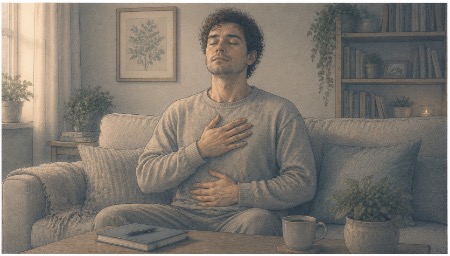
Deep, controlled breathing is one of the fastest ways to interrupt the fight-or-flight response, causing blurred vision. When you breathe slowly and deeply, you activate the parasympathetic nervous system, your body’s built-in “calm down” switch.
This counters the adrenaline surge, reduces pupil dilation, and helps relax the muscles around your eyes. A simple method is 4-7-8 breathing: inhale for 4 counts, hold for 7, exhale for 8. Practicing this as anxiety rises can stop a full stress response and its visual symptoms, before they escalate.
Mindfulness works well alongside breathwork. Grounding your attention in the present moment prevents the runaway thought patterns that fuel anxiety. Even a 5-minute body scan can lower cortisol and help your vision return to normal faster.
2. Progressive Muscle Relaxation
Progressive Muscle Relaxation (PMR) involves deliberately tensing and then releasing different muscle groups throughout your body. Since anxiety-induced blurred vision is partly caused by sustained tension in the muscles around your eyes and face, PMR targets this symptom directly.
Start at your feet and work upward, including the muscles around your eyes. This helps your body recognize and let go of tension it may have been holding for hours without you noticing.
3. Eye Rest Following the 20-20-20 Rule
The 20-20-20 rule was developed to fight digital eye strain, but it works just as well for anxiety-related eye tension.
The rule is simple: every 20 minutes, look at something 20 feet away for at least 20 seconds. This lets the ciliary muscles inside your eye, which control focus, relax completely. When anxiety keeps these muscles tense, prolonged near-focus work makes blurring noticeably worse, so consistent recovery windows make a real difference.
You can enhance this by gently palming your eyes. Rub your hands together to generate warmth, then cup them lightly over closed eyes for 30 seconds. The warmth and darkness help relax the surrounding muscles and provide quick relief from strain.

4. Reduce Screen Time During High-Anxiety Periods
Screens are a major amplifier of anxiety-related blurred vision. The constant near-focus and reduced blink rate from scrolling speed up eye muscle fatigue and dryness, which is what causes the strain. During high-anxiety periods, your eyes are already under stress, so heavy screen use makes recovery harder.
A practical approach is a hard screen cutoff 30 to 60 minutes before bed, replaced with low-stimulation activities like light reading or stretching. Short screen breaks of 5 to 10 minutes every hour also help when anxiety is running high.
5. Regular Exercise
Regular physical exercise is one of the most well-supported long-term solutions for reducing anxiety and the physical symptoms that come with it. Exercise burns off excess adrenaline and cortisol, the two hormones most responsible for the visual disturbances anxiety causes. It also boosts endorphins and serotonin, which stabilize mood and lower baseline anxiety over time.
You don’t need an intense routine to see results. Around 30 minutes of moderate aerobic activity, like a brisk walk, bike ride, or swim, four times a week, noticeably reduces anxiety symptoms. Consistency matters most. Regular exercisers have lower resting cortisol, so their bodies are less likely to trigger the stress response that causes blurred vision in the first place.
5 Techniques to Stop Anxiety-Related Blurred Vision: Summary Table
| Technique | How It Helps | Best Done |
| Deep Breathing & Mindfulness | Activates the parasympathetic nervous system, reduces pupil dilation and muscle tension | During an anxiety episode or as a daily practice |
| Progressive Muscle Relaxation | Releases sustained tension in the eye and facial muscles | Before bed or during high-stress periods |
| 20-20-20 Rule | Relaxes the ciliary muscles inside the eye, reducing eye strain | Every 20 minutes during screen or close-focus work |
| Reduce Screen Time | Reduces sustained near-focus and reduced-blink eye fatigue during vulnerable periods | During high-anxiety periods and before sleep |
| Regular Exercise | Lowers baseline cortisol and adrenaline, reduces long-term anxiety | At least 4 times per week for sustained results |
When Should You Get Professional Help for Anxiety?
The techniques above work well for mild to moderate symptoms, but some signs call for professional support. Seek medical evaluation right away if your blurred vision happens often, outlasts the anxiety episode, or comes with chest pain, numbness, severe headaches, or sudden vision loss. These can point to conditions unrelated to anxiety that need urgent care.
Consider professional help when anxiety interferes with daily life. That includes strained relationships, avoiding situations out of fear, turning to unhealthy coping habits, or feeling like worry is your default state. Anxiety disorders are among the most treatable mental health conditions, but they rarely resolve on their own without structured support.
Why is AMFM the Right Next Step for Anxiety Relief?
Blurred vision from anxiety often eases with breathwork, eye rest, and regular exercise, but recurring symptoms point to something deeper. When anxiety keeps interfering with daily life, working with trained professionals gives you a structured plan that helps ease anxiety.
At AMFM Mental Health Treatment, we treat anxiety using CBT and individualized care plans. Our licensed teams across California, Minnesota, Virginia, and Washington are ready to help you feel calm again. Reach out now and start living with greater stability, confidence, and peace of mind.
Frequently Asked Questions (FAQs)
How do you get rid of blurred vision from anxiety?
The fastest fix is deep breathing, which activates your parasympathetic nervous system and reduces the adrenaline surge, causing your pupils to dilate. Try the 4-7-8 method (inhale for 4, hold for 7, exhale for 8), then pair it with the 20-20-20 eye rule and step away from screens. For long-term relief, lower your baseline anxiety through regular exercise, mindfulness, and professional support when symptoms keep returning.
Can blurry vision be caused by stress?
Yes. Stress triggers the release of adrenaline and cortisol, which dilate your pupils and tighten the muscles around your eyes, both of which can blur your vision. Chronic stress keeps your eyes in a low-level state of strain even between acute episodes, so if the blurring lingers after stress passes or shows up without a clear trigger, get an eye exam to rule out other causes.
How long does anxiety-blurred vision last?
For most people, anxiety-induced blurred vision clears within minutes to hours once the stress response subsides and adrenaline drops back to baseline. Calming techniques like deep breathing can speed up that recovery. If anxiety is chronic and the blurring keeps coming back, the underlying disorder, not just the episodes, needs to be addressed with professional help.
What are the early signs of anxiety?
Anxiety often shows up as a mix of physical and emotional signals before it escalates into a full episode. Common early signs include a racing heart, muscle tension (especially in the shoulders, jaw, or around the eyes), shallow breathing, persistent worry, irritability, trouble concentrating, sleep problems, and stomach discomfort. Catching these signs early lets you use calming techniques before physical symptoms like blurred vision kick in.
Has AMFM worked with patients with anxiety before?
Yes. AMFM has extensive experience treating anxiety disorders, from generalized and social anxiety to panic disorder and anxiety-related physical symptoms. Treatment plans are individualized and may include CBT, somatic therapies, and lifestyle support, all working together to address anxiety at the core rather than just easing isolated symptoms.