





Key Takeaways
- Bipolar disorder can be managed without medication for some individuals through therapy, coping skills, structured routines, and ongoing professional support, although this approach is not appropriate for everyone.
- Cognitive Behavioral Therapy (CBT) helps people identify unhelpful thought patterns, recognize mood episode warning signs, and build practical strategies to reduce the impact of both manic and depressive symptoms.
- Dialectical Behavior Therapy (DBT), mindfulness practices, sleep hygiene, stress reduction techniques, and mood tracking improve emotional regulation and support long-term mood stability.
- Lifestyle habits such as regular exercise, balanced nutrition, consistent sleep schedules, and strong social support networks play an important role in maintaining emotional balance.
- AMFM Mental Health Treatment provides residential and outpatient bipolar disorder programs that combine evidence-based therapies, personalized treatment planning, and clinical oversight to support lasting recovery.
How to Manage Bipolar Disorder without Medication?
Managing bipolar disorder without medication is possible for some people, but it typically requires a structured combination of therapy, healthy routines, coping skills, and professional guidance. Evidence-based approaches such as CBT, DBT, and lifestyle interventions can help reduce the frequency and severity of mood episodes while improving daily functioning.
For individuals who need more support than self-management alone can provide, AMFM Mental Health Treatment offers residential and outpatient programs designed specifically for bipolar disorder. Their clinical teams integrate therapies such as CBT, DBT, EMDR, and lifestyle-based interventions into individualized treatment plans tailored to each person’s needs.
This guide explains the most effective therapy options, coping strategies, and lifestyle changes used to manage bipolar disorder without medication, along with situations where additional clinical care may be necessary.
Evidence-Based Therapy Options for Bipolar Disorder
Cognitive Behavioral Therapy (CBT)
CBT stands as one of the most researched and effective non-medication approaches for bipolar disorder management.
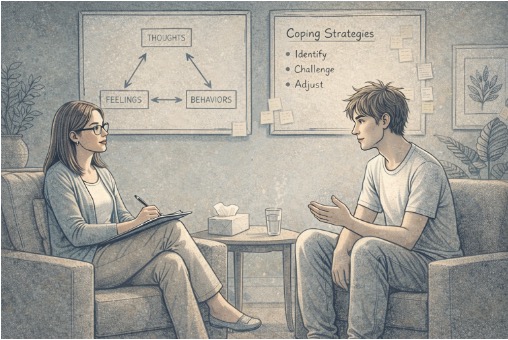
It helps individuals recognize the connection between thoughts, emotions, and behaviors, particularly during mood episodes. Through structured sessions with a trained therapist, people learn to identify early warning signs of manic or depressive episodes and develop intervention strategies before symptoms escalate.
The therapy focuses on challenging distorted thinking patterns that often accompany mood swings. For instance, during depressive phases, individuals might engage in catastrophic thinking or all-or-nothing perspectives.
CBT provides tools to reframe these thoughts more realistically, reducing the intensity and duration of depressive symptoms. During hypomanic or manic phases, CBT techniques help maintain awareness of impulsive behaviors and risky decision-making patterns.
Dialectical Behavior Therapy (DBT)
Originally developed for borderline personality disorder, DBT has proven remarkably effective for emotional regulation in bipolar disorder. This therapy combines cognitive-behavioral techniques with mindfulness practices, teaching four core skill sets: mindfulness, distress tolerance, emotion regulation, and interpersonal effectiveness.
For individuals with bipolar disorder, DBT’s emphasis on emotional regulation proves particularly valuable. The skills training helps people tolerate uncomfortable emotions without reacting impulsively, a common challenge during mood episodes. Mindfulness techniques anchor individuals in the present moment, reducing rumination during depressive phases and impulsivity during manic phases.
Additional Therapeutic Approaches
Interpersonal and Social Rhythm Therapy (IPSRT) specifically targets the connection between daily routines and mood stability. This approach emphasizes maintaining consistent sleep-wake cycles, meal times, and social interactions, as disruptions in these rhythms often trigger mood episodes. Family-Focused Therapy (FFT) involves loved ones in the treatment process, improving communication patterns and building a supportive home environment that promotes stability.
Eye Movement Desensitization and Reprocessing (EMDR) may benefit individuals whose bipolar disorder co-occurs with trauma, addressing underlying psychological wounds that can exacerbate mood instability. Acceptance and Commitment Therapy (ACT) teaches psychological flexibility, helping individuals accept difficult emotions rather than struggling against them.
Coping Skills to Support Bipolar Management
Mood Tracking & Self-Awareness
Developing self-awareness is a fundamental skill in managing bipolar disorder. To track mood patterns effectively:
- Keep a detailed mood journal to help identify patterns, triggers, and early warning signs of mood episodes.
- Record daily factors, including sleep quality, stress levels, and social interactions, alongside mood ratings to create a comprehensive picture of emotional stability.
- Use apps or journals to document these patterns consistently over time.
- Review data to reveal personal triggers such as specific stressors, seasonal changes, or disrupted routines, allowing for early intervention.
Sleep Hygiene & Routine Maintenance
Sleep disturbances both trigger and characterize bipolar mood episodes, making sleep hygiene a critical non-medication management tool.
Maintaining consistent bedtimes and wake times, even on weekends, helps regulate the body’s circadian rhythms. Creating a relaxing bedtime routine, limiting screen exposure before sleep, and optimizing the sleep environment all contribute to better rest quality.
During manic or hypomanic episodes, the reduced need for sleep can rapidly escalate symptoms. Establishing firm boundaries around sleep schedules, even when feeling energized, prevents the cascade of increasing mania. Conversely, during depressive episodes, maintaining a regular wake time prevents excessive sleeping that can deepen depression.
Stress Reduction Techniques
Chronic stress frequently precipitates mood episodes in bipolar disorder, making stress management essential. Progressive muscle relaxation, deep breathing exercises, and guided imagery provide immediate tools for reducing physiological stress responses. Regular practice of these techniques builds resilience over time, creating a buffer against daily stressors.
Mindfulness meditation has shown particular promise in bipolar disorder management. Even brief daily meditation sessions help individuals observe thoughts and emotions without judgment, reducing reactivity to mood fluctuations. This practice strengthens the ability to respond thoughtfully rather than impulsively to emotional experiences.
Which Lifestyle Strategies Support Mood Stability?
Physical Exercise & Nutrition
Regular physical activity serves as a powerful mood stabilizer, with research supporting its effectiveness in managing both depressive and manic symptoms. Exercise releases endorphins, regulates stress hormones, and improves sleep quality. Most experts recommend at least 30 minutes of moderate exercise most days of the week, though the specific type and intensity should match individual preferences and capabilities.
Nutrition also plays a significant role in mood regulation. Omega-3 fatty acids, found in fish and certain nuts, support brain health and may reduce mood episode severity.
Maintaining stable blood sugar through regular, balanced meals prevents energy crashes that can trigger mood dips. Limiting caffeine and avoiding alcohol are particularly important, as both substances can destabilize mood patterns.

Social Support & Connection
Strong social connections provide vital emotional support during mood episodes and help maintain stability during balanced periods. Building a support network of understanding friends, family members, and peers who live with bipolar disorder creates a safety net during difficult times. Support groups, both in-person and online, offer opportunities to share experiences and coping strategies with others who understand the condition firsthand.
Communication with trusted individuals about early warning signs enables them to provide feedback when mood changes occur. This external perspective proves valuable since insight often diminishes during mood episodes. Setting boundaries and managing social energy also matters, as overstimulation can trigger mania while isolation can deepen depression.
When Should You Seek Professional Clinical Help?
Non-medication strategies work best with professional support behind them. Without clinical guidance, there is no safety net for catching early warning signs or stepping up care when symptoms shift.
If mood episodes involve psychosis, suicidal thoughts, or dangerous behavior, therapy alone is not enough. Those situations typically require medication paired with intensive clinical care, and residential programs provide the round-the-clock support needed to stabilize symptoms safely.
For milder symptoms, many people manage well through therapy and lifestyle changes with regular professional monitoring. The right approach depends on honest symptom assessment and a willingness to adjust the plan as circumstances change.
How Can AMFM Help Individuals with Bipolar Disorder?

Managing bipolar disorder without medication takes a combination of evidence-based therapies, consistent daily routines, and a reliable support network. No single method works in isolation. CBT, DBT, sleep hygiene, and stress management are most effective together, and professional oversight helps keep the plan on track as symptoms shift.
At AMFM, we offer residential and outpatient programs built around CBT, DBT, EMDR, and lifestyle support. Our 2:1 staff-to-client ratio gives each person consistent clinical attention. And our locations across California, Virginia, Washington, and Minnesota make structured care accessible. We accept most major insurance plans and offer financial guidance. Start your recovery journey from bipolar disorder with AMFM today!
Frequently Asked Questions (FAQs)
Can bipolar disorder be managed without medication long-term?
Some individuals with milder bipolar symptoms successfully manage their condition long-term through therapy, lifestyle modifications, and coping skills. However, this approach requires consistent professional monitoring, strong support systems, and immediate willingness to adjust treatment if symptoms worsen. Many people find that combining medication with non-medication strategies provides the most reliable stability.
What are the early warning signs of a bipolar mood episode?
Early warning signs vary by individual but commonly include sleep changes, increased or decreased energy levels, shifts in thinking speed, appetite changes, and social withdrawal or increased sociability. Keeping a mood journal helps identify your personal warning signs. Recognizing these signs early allows for intervention before symptoms escalate.
How long does it take for therapy to help stabilize bipolar symptoms?
Many people begin noticing benefits from therapy within 8–12 weeks of consistent sessions, though building comprehensive coping skills takes longer. CBT and DBT typically involve 12–20 sessions initially, with ongoing maintenance sessions as needed. The timeline varies based on symptom severity, therapy consistency, and individual engagement with the treatment process.
Is it safe to stop bipolar medication to try non-medication approaches?
Never stop taking prescribed medication without medical supervision. Abrupt discontinuation can trigger severe mood episodes and pose serious health risks. If you’re interested in exploring non-medication management, discuss this with your psychiatrist to develop a safe, gradual plan that includes close monitoring and alternative support strategies throughout the transition period.
What makes A Mission For Michael’s approach to bipolar treatment unique?
At AMFM Mental Health Treatment, we offer specialized bipolar disorder treatment with a comprehensive range of evidence-based and holistic therapies built for each client’s needs. Our 2:1 staff-to-client ratio ensures intensive support, while our residential and outpatient options provide flexibility throughout recovery. We accept most major insurance plans and create personalized treatment plans that address both bipolar symptoms and any co-occurring mental health conditions.