





Key Takeaways
- Most people with active psychosis cannot tell they are ill because a brain condition called anosognosia blocks the ability to recognize symptoms.
- Insight fluctuates during psychosis, which is why a person may question their perceptions one moment and be fully convinced of delusions the next.
- Connecting treatment to personal goals rather than a diagnosis that the person may not accept is the most effective path to getting someone into care.
- A Mission For Michael (AMFM) Mental Health Treatment helps individuals with psychosis receive care even when they do not recognize they are ill, using residential treatment, therapy, and medication management to support recovery.
Does a Person with Psychosis Know They Have It?
Most people with active psychosis genuinely cannot tell if something is wrong. A brain condition called anosognosia blocks self-recognition, affecting roughly half of people with bipolar disorder and up to 98% of those with schizophrenia. The brain physically cannot generate the awareness needed to recognize its own symptoms.
Not only that, psychosis frequently affects a person’s ability to recognize that hallucinations, delusions, or changes in thinking are symptoms of a mental health condition. Because of this, waiting for self-awareness before seeking help can delay treatment and recovery.
At AMFM Mental Health Treatment, clinicians regularly work with individuals who are experiencing psychosis but do not believe they need care. Through structured residential treatment, evidence-based therapies, and individualized support, AMFM helps people stabilize symptoms and build insight over time.
Understanding why awareness varies during psychosis can help families respond more effectively and connect loved ones with treatment sooner.
What Psychosis Actually Feels Like From the Inside
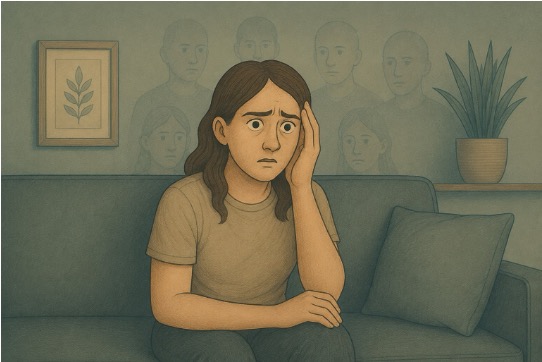
The Gap Between Experience & Reality
For someone experiencing psychosis, their perceptions are their reality. The voices they hear sound just as real as any conversation. The paranoid beliefs they hold explain their experiences perfectly: why people look at them strangely, why coincidences keep happening, or why they feel constantly watched.
From inside this experience, everything makes sense within their framework of understanding, which makes recognizing something is wrong particularly difficult.
Why Delusions Feel So Convincing
Delusions aren’t simply incorrect beliefs; they’re entire frameworks for understanding the world that feel absolutely convincing. They often develop as the brain attempts to make sense of unusual experiences or perceptions.
If someone begins experiencing heightened significance in everyday events or unusual sensory experiences, the delusional explanation can actually feel like a moment of clarity rather than confusion.
How Hallucinations Blend with Real Perceptions
Hallucinations integrate directly with actual sensory input. A voice might sound just like any other voice, coming from outside the person’s head.
Visual hallucinations appear within the real visual field, not as obvious overlays. This blending makes it highly challenging to distinguish between what others can perceive and what only the person experiencing psychosis can perceive.
Anosognosia: When Someone Can’t Recognize Their Psychosis
Up to 98% of people with schizophrenia experience anosognosia, a neurological symptom that prevents them from recognizing their illness. This isn’t stubbornness or denial; it’s a genuine inability to perceive that anything unusual is happening.
The severity of anosognosia can fluctuate over time and often correlates with the severity of psychotic symptoms. Someone might have moments of clarity followed by periods of complete conviction in their delusions. This fluctuation can be particularly confusing for family members who might see glimpses of recognition that later disappear.
The Brain Mechanisms Behind Lack of Insight
Research shows that lack of insight correlates with specific patterns of brain dysfunction. The right hemisphere, particularly the prefrontal cortex and parietal areas, plays a crucial role in maintaining accurate self-awareness.
When these regions are affected by the neurobiological processes of psychosis, the ability to recognize symptoms becomes impaired. This is why medication that addresses the underlying neurochemical imbalances often improves insight, alongside reducing hallucinations and delusions.
Different from Denial
Understand that lack of insight in psychosis is fundamentally different from psychological denial. Someone isn’t choosing to ignore evidence or refusing to accept their condition; their brain literally cannot recognize the symptoms as symptoms. Telling someone with anosognosia to “just accept” they’re ill is like asking a person with blindness to try harder to see; the neural mechanisms required aren’t functioning properly.
This neurological basis means that approaches based on confrontation or logical argument typically fail and may damage trust. Instead, working with what the person does recognize (feeling stressed, having trouble sleeping, or struggling with relationships) gives a more effective pathway to treatment.
When People Do Recognize Their Symptoms
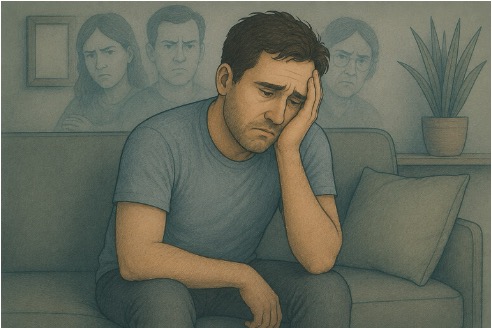
Partial Awareness During Episodes
Many people experience fluctuating levels of insight during psychotic episodes. They might question their perceptions at times while being completely convinced of their reality at others. Someone might wonder, “Am I hallucinating?” at one moment, then become fully convinced of a conspiracy theory the next.
This wavering awareness can provide crucial opportunities for therapeutic intervention when the person is momentarily able to consider that their experiences might be symptoms.
Recognition After Episodes End
Some people gain insight only after an episode has been resolved. Looking back, they can recognize their experiences were symptoms of psychosis, even though they couldn’t see it at the time. This retrospective awareness can be powerful for treatment planning and relapse prevention.
For many, this post-episode recognition becomes a crucial part of their recovery journey. They learn to identify early warning signs and develop strategies to manage symptoms before they progress to full psychosis. This pattern of “learning from episodes” can strengthen resilience and improve long-term outcomes.
How Medication Affects Self-Awareness
Antipsychotic medications often improve insight while reducing hallucinations and delusions. As the neurochemical imbalances underlying psychosis are addressed, the brain regions responsible for self-awareness can begin functioning more normally.
This improvement in insight frequently happens gradually; someone might first recognize that others don’t share their perceptions before fully accepting these experiences as symptoms of illness.
How Can You Support Someone Who Doesn’t Know They Have Psychosis?
1. Avoid Arguing About What’s “Real”
Direct confrontation about the reality of psychotic experiences typically backfires. When someone is experiencing hallucinations or delusions, simply telling them “that’s not real” or “you’re imagining things” is ineffective and can damage trust. Their brain is processing these experiences as completely authentic, making the contradiction feel invalidating or even threatening.
Instead, acknowledge their emotional experience without confirming or denying the content of their beliefs. You might say, “I can see how frightening that would be” or “I understand why you’d feel unsafe if that were happening.” This validation of emotions without challenging perceptions maintains connection while avoiding power struggles that could push someone further away from accepting help.
2. Connect Treatment to Their Goals
Perhaps the most effective approach is to connect treatment options to what the person wants to achieve. Everyone has goals, whether it’s sleeping better, reducing anxiety, maintaining relationships, or keeping a job.
By framing treatment as a way to address these specific concerns rather than “fixing” a condition they don’t believe they have, you create a pathway to care that respects their autonomy and perspective. Mental Health America emphasizes this approach because it maintains dignity while still helping people access potentially life-changing treatment.
Non-Medication Approaches for Psychosis
Medication is not the only path forward. Several therapeutic approaches can support recovery and help build insight over time. Cognitive Behavioral Therapy for psychosis (CBTp) helps individuals examine distressing beliefs at their own pace.
Structured daily routines, family-based support, and residential therapeutic environments also reduce symptom severity meaningfully. At AMFM, these approaches are woven into every treatment plan, working alongside medication management or independently, depending on individual needs.
How Can AMFM Help Individuals Struggling with Psychosis?

Psychosis rarely comes with built-in self-awareness. Anosognosia is a neurological barrier, not a character flaw, and waiting for someone to recognize their symptoms before seeking help often means waiting too long. The most effective support connects people to care based on what they want, not what they believe about themselves.
At A Mission For Michael (AMFM), we built our psychosis programs around this reality. We engage people wherever they are in their awareness, connecting treatment to what matters most to them, whether that’s better sleep, less anxiety, or stronger relationships. Insight often follows care, and we’re here to support that process from the start. Reach out to our admissions team today and learn how our treatment programs can help you handle psychosis better.
Frequently Asked Questions (FAQs)
What is the difference between anosognosia and denial?
Anosognosia is a neurological symptom where brain dysfunction prevents someone from recognizing their illness, and it’s not a choice. Denial is a psychological defense mechanism where someone consciously refuses to accept something they’re aware of.
Brain imaging shows that anosognosia correlates with dysfunction in frontal and parietal lobes, meaning the person literally cannot perceive that anything is wrong until neurochemical rebalancing occurs through treatment.
How can I tell if someone’s psychosis is getting worse without them knowing?
Watch for escalating symptoms they don’t recognize as concerning: increasingly severe delusions or hallucinations, growing social withdrawal, deteriorating self-care, heightened paranoia, worsening disorganized speech or behavior, and inability to maintain daily responsibilities.
Someone with worsening psychosis might become more resistant to help or more certain of delusional beliefs. If they pose a danger to themselves or others or can’t meet basic needs, seek professional intervention immediately.
Will my loved one ever realize they have psychosis?
Insight development varies significantly. Some gain awareness quickly with treatment, while others take months or years. Many experience fluctuating awareness: moments of recognition followed by conviction in delusions.
Some develop insight only retrospectively. Factors affecting awareness include disorder type, treatment timing, medication response, and affected brain regions. Effective treatment improves functioning and quality of life even without complete insight, which often enhances gradually as healing occurs.
How does AMFM help people who don’t recognize they have psychosis?
AMFM’s specialized approach meets people where they are, without requiring a diagnosis or acceptance. Our multidisciplinary team connects treatment to individual goals, better sleep, reduced anxiety, improved relationships, and enhanced functioning.
We validate emotional experiences while providing evidence-based therapies, medication management, and holistic care. Our 24/7 residential programs offer structured support in safe environments where individuals stabilize regardless of insight level, gently supporting awareness development at their own pace.