





Key Takeaways
- Religious psychosis is a manifestation of psychotic symptoms where religious content predominates, involving hallucinations and delusions.
- Symptoms include disorganized thoughts, behavioral changes, and functional impairment affecting work, relationships, and daily tasks.
- Causes typically involve a combination of psychological stressors, genetic predisposition, and cultural or social factors that shape how symptoms manifest and are interpreted.
- Effective treatment for religious psychosis combines psychotherapy, antipsychotic medication, lifestyle changes, and strong community support systems to address both symptoms and underlying causes.
- A Mission For Michael (AMFM) provides personalised, evidence-based care for religious psychosis across Southern California, Washington, and Virginia, with residential and outpatient programs, around-the-clock support, and accreditations from The Joint Commission and the California Department of Health Care Services.
What Do You Need To Know About Religious Psychosis?
Religious psychosis is a manifestation of psychotic symptoms where religious or spiritual content predominates, involving distressing experiences that distort an individual’s perception of reality and significantly impact daily functioning. The symptoms include hallucinations, delusions, disorganized thoughts, and behavioral changes. The condition typically results from a combination of psychological stressors, genetic predisposition, and cultural or social factors. Religious psychosis often co-occurs with other psychotic disorders like schizophrenia or bipolar disorder, and the impact on daily life can be profound, affecting employment, relationships, and the ability to fulfill basic obligations. Healthcare organizations providing neurological care also depend on specialized neurology Billing Services to support accurate coding, efficient claims processing, and compliant revenue cycle management.
Treatment combines psychotherapy, antipsychotic medication, lifestyle changes, and strong community support systems. For individuals affected by religious psychosis (whether experiencing symptoms personally or supporting a loved one), A Mission For Michael (AMFM) provides personalised mental health care across Southern California, Washington, and Virginia through residential and outpatient programs using evidence-based therapies including CBT, DBT, and EMDR. This article walks through the symptoms of religious psychosis, its connection to other psychotic disorders, the main causes (psychological, genetic, cultural and social), and the available treatment options.
Religious Psychosis Overview
Religious psychosis is a condition where individuals experience psychotic symptoms intertwined with religious or spiritual themes. This can be a particularly distressing experience for both those directly affected and for their loved ones. The condition can distort one’s perception of reality, making it difficult to differentiate between what is real and what is imagined.
Defining Religious Psychosis
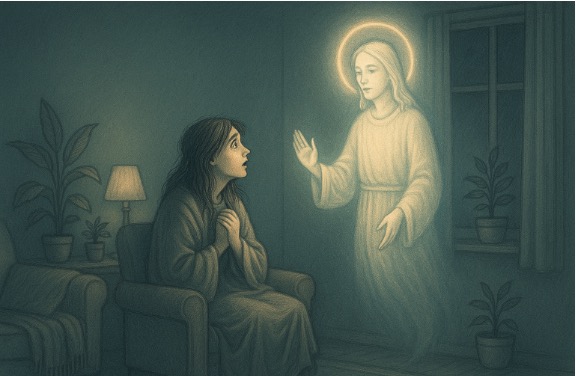
Religious psychosis is not a standalone diagnosis but rather a manifestation of psychotic symptoms where religious content predominates. It typically involves delusions, strongly held false beliefs, and hallucinations, which are sensory experiences without external stimuli. For example, someone might believe they are a prophet or hear divine voices giving them instructions.
Impacts on Daily Life
The impacts of religious psychosis on daily life can be profound. It can affect an individual’s ability to function at work, maintain relationships, and perform daily tasks. The distress caused by the symptoms can lead to isolation, anxiety, and depression. In severe cases, individuals may engage in risky or harmful behaviors based on their delusions or hallucinations.
What Are the Symptoms of Religious Psychosis?
Hallucinations and Delusions
Hallucinations in religious psychosis often involve auditory or visual experiences with a religious context. For instance, hearing the voice of a deity or seeing religious figures can be common. Delusions might include beliefs of having a special religious mission or possessing divine powers.
These symptoms can be distressing and may lead to misunderstandings with others who do not share these experiences or beliefs. Approach these individuals with empathy and understanding, as their experiences are very real to them.
Disorganized Thoughts
Individuals may experience racing thoughts where thoughts move through their mind very rapidly, sometimes feeling out of control. They might also exhibit “flight of ideas,” where thoughts jump quickly from one concept to another, making connections that others don’t see.
Formal thought disorder (FTD) is another form of disorganized thinking which is often present in religious psychosis. This is when a person struggles to express thoughts in a logical and linear fashion, showing symptoms like tangentiality (veering off-topic), circumstantiality, and thought blocking.
Behavioral Changes
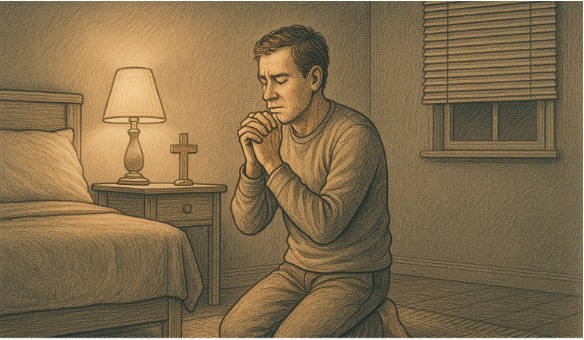
Common behavioral changes include suddenly visiting religious places (like churches) too frequently, praying continuously, or fasting to excessive degrees when there was no previous interest in such religious activities.
These behavioral changes typically lead to functional impairment, including inability to maintain employment, legal problems, or failure to fulfill obligations. There may also be homicidal or suicidal threats or behaviors as a result of religious delusions.
Connection to Other Psychotic Disorders
Religious psychosis often occurs in conjunction with other psychotic disorders, such as schizophrenia or bipolar disorder. These conditions share common features, including disruptions in thought processes and perceptions. The religious aspect adds a layer of complexity, as it involves deeply personal beliefs and cultural contexts. Understanding this connection is essential for effective treatment and management.
What Are the Main Causes of Religious Psychosis?
Psychological Factors
Psychological stressors like stressful life events, trauma, or significant changes in one’s environment are significant contributors to religious psychosis. For instance, someone experiencing a loss or a major life transition may become more vulnerable to psychotic symptoms.
Additionally, certain cognitive biases and thinking patterns can predispose individuals to religious delusions. For example, individuals who already have a strong focus on religious or spiritual themes might interpret their experiences through this lens, leading to misinterpretations of reality.
Also, poor coping mechanisms and emotional regulation can further complicate the situation. When individuals struggle to manage stress or emotions, they might find themselves overwhelmed, which can contribute to the onset of psychotic episodes.
Genetic Influences
Research indicates that individuals with a family history of psychotic disorders are at a higher risk of developing similar conditions. This suggests that genetic predispositions can influence the likelihood of experiencing religious psychosis.
However, note that genetics alone do not determine the outcome. Environmental factors and personal experiences interact with genetic predispositions, influencing the overall risk and manifestation of the condition.
Cultural and Social Impact
Cultural and social contexts significantly shape the expression and interpretation of religious psychosis. In societies where religion plays a central role, individuals may experience psychotic symptoms with strong religious themes. This cultural context can influence how symptoms are perceived and whether they are seen as pathological or spiritual experiences.
For example, religious upbringing and beliefs can shape the content of delusions and hallucinations, and social isolation or lack of community support can exacerbate symptoms.
Understanding these cultural and social dynamics is essential for developing culturally sensitive treatment approaches. It ensures that individuals receive the support they need without dismissing their beliefs or experiences.
What Treatment Options Are Available for Religious Psychosis?
Psychotherapy Methods
Psychotherapy is a cornerstone of treatment for religious psychosis. Cognitive Behavioral Therapy (CBT) is particularly effective in helping individuals recognize and challenge distorted thinking patterns. Through CBT, individuals can learn to differentiate between reality and delusions, reducing the impact of psychotic symptoms on their lives.
Medication Options
Antipsychotic medications can help manage symptoms by reducing hallucinations and delusions. Medications may also be used to address co-occurring conditions, such as anxiety or depression.

Besides medication, lifestyle changes and stress management techniques can also play a role in treatment. Encouraging individuals to engage in regular physical activity, maintain a balanced diet, and practice relaxation techniques can support overall well-being and recovery. For clinicians treating complex cases, administrative demands can add up quickly, and if clinicians struggling to choose between TheraNest and SimplePractice , comparing features can help streamline their practice’s workflow.
Community Support Systems
Community support systems are vital for individuals experiencing religious psychosis. Having a strong network of family, friends, and mental health professionals can provide the encouragement and guidance needed for recovery.
By building a supportive environment, individuals can feel more empowered to engage in their treatment plans and work toward recovery.
How Should Loved Ones and Individuals Approach Religious Psychosis Recovery with AMFM?

Religious psychosis is a complex condition where psychotic symptoms manifest with religious or spiritual content, causing significant distress and functional impairment for the individual and their loved ones. Recognising the symptoms is the first step: auditory or visual hallucinations involving religious figures or divine voices, delusions like believing one is a prophet or has divine powers, disorganized thinking with racing thoughts, flight of ideas, and formal thought disorder showing as tangentiality and thought blocking, and behavioral changes like sudden excessive prayer, continuous religious visits, or extreme fasting without prior interest in those activities.
For individuals experiencing religious psychosis or supporting a loved one through it, AMFM provides personalised mental health care across Southern California, Washington, and Virginia through residential and outpatient programs using evidence-based therapies including CBT, DBT, and EMDR. The AMFM multidisciplinary team focuses on treating psychotic disorders with religious themes through around-the-clock support, medication management, and full community support systems, supported by accreditations from The Joint Commission and the California Department of Health Care Services. Contact AMFM at 866-478-4383 for a confidential assessment.
Frequently Asked Questions (FAQs)
How is religious psychosis diagnosed?
Religious psychosis is diagnosed by a mental health professional through a comprehensive evaluation. This typically includes a clinical interview, assessment of symptoms, and consideration of the individual’s personal, family, and cultural background. Diagnosis may also involve ruling out other medical conditions that could contribute to the symptoms.
What differentiates religious psychosis from a spiritual crisis?
A spiritual crisis involves questioning or reevaluating one’s beliefs, often leading to personal growth and transformation. By contrast, religious psychosis involves symptoms such as hallucinations and delusions that impair functioning. It’s important to differentiate between the two, as the approaches to support and treatment differ significantly.
Can religious beliefs trigger psychosis?
While religious beliefs themselves do not cause psychosis, they can influence the content of psychotic symptoms in individuals who are predisposed to the condition. Cultural and environmental factors can shape how symptoms manifest and are interpreted. Understanding these influences is essential for providing culturally sensitive care.
Is recovery from religious psychosis possible?
Yes, recovery from religious psychosis is possible with appropriate treatment and support. Many individuals experience significant improvements in their symptoms and quality of life through a combination of psychotherapy, medication, and community support. Early intervention and a strong support network are key factors in successful recovery.
Can someone with religious psychosis recover completely?
Yes, recovery from religious psychosis is possible with appropriate treatment. At AMFM, many individuals experience significant improvement in their symptoms and quality of life through our personalized combination of psychotherapy, medication management, and community support. Early intervention and consistent treatment adherence greatly enhance recovery outcomes.