





Key Takeaways
- Stress-induced psychosis typically lasts from a few days to a month, with full recovery expected once the stressor is removed or managed and appropriate treatment is in place.
- Factors that influence duration include the severity of the stressor, individual resilience and coping mechanisms, pre-existing mental health conditions like depression or anxiety, and access to timely treatment.
- Symptoms include hallucinations, delusions, disorganized speech and behavior, and emotional disturbances that significantly impair daily functioning.
- Early intervention with antipsychotic medication and psychotherapy can notably reduce the duration of episodes, while strong family and community support systems shorten recovery and reduce the risk of recurrence.
- A Mission For Michael (AMFM) offers personalised treatment programs across Southern California, Washington, and Virginia, including residential, PHP, IOP, and outpatient options for stress-induced psychosis, supported by accreditations from The Joint Commission and the California Department of Health Care Services.
Understanding The Duration Of Stress-Induced Psychosis
Stress-induced psychosis typically lasts from a few days to a month, with most episodes resolving within this window once the stressor is removed or managed and appropriate treatment is in place. The condition is often self-limiting and is clinically classified as a brief psychotic disorder with marked stressors, distinguishing it from chronic psychotic disorders like schizophrenia that persist over years and decades. Symptoms during an episode include hallucinations, delusions, disorganized speech and behavior, and emotional disturbances.
For individuals experiencing stress-induced psychosis or supporting a loved one through it, A Mission For Michael (AMFM) provides personalised mental health care across Southern California, Washington, and Virginia through residential, PHP, IOP, and outpatient programs using evidence-based therapies including CBT, DBT, and EMDR.
This article walks through what stress-induced psychosis is, the typical duration and the factors that influence it, the warning signs that indicate a longer episode, and what early intervention looks like.
What Is Stress-Induced Psychosis?
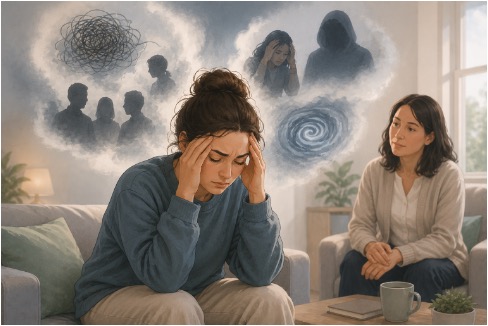
Stress-induced psychosis is a mental health condition where an individual loses touch with reality due to extreme stress or trauma. This state can lead to hallucinations, delusions, and disorganized thinking – making it challenging for the person to distinguish what is real from what is not.
The causes of stress-induced psychosis are multifaceted. Extreme stress or traumatic events often act as the primary triggers. These could include the loss of a loved one, a significant life change, or any event that overwhelms a person’s coping mechanisms.
Symptoms and Signs
Symptoms can vary but often include:
- Hallucinations: Seeing or hearing things that aren’t there
- Delusions: Strong beliefs in things that are not true
- Disorganized speech and behavior: Incoherent speech or erratic actions
- Emotional disturbances: Intense emotions or a lack of emotional response
These symptoms can be distressing and disorienting, not only for the individual experiencing them but also for those around them.
Common Triggers
Stress-induced psychosis doesn’t happen in isolation. Certain triggers often set the stage for an episode. These include:
- Severe emotional stress: Divorce, job loss, or the death of a loved one
- Physical stress: Chronic illness or significant injury
- Sleep deprivation: Lack of adequate rest can trigger psychotic symptoms
Identifying these triggers can help in managing and preventing future episodes.
How Long Does Stress-Induced Psychosis Typically Last?

Stress-induced psychosis typically lasts from a few days to a month, placing it in the category of brief psychotic disorder with marked stressors under clinical diagnostic criteria.
This timeframe is meaningfully different from chronic psychotic disorders. Schizophrenia, schizoaffective disorder, and similar conditions involve psychotic symptoms that persist over years and decades, while stress-induced psychosis is time-limited and tied directly to identifiable stressors.
The distinction matters for treatment because the goal is different: stress-induced psychosis treatment focuses on stabilising the acute episode, addressing the underlying stressor, and supporting return to baseline functioning, rather than long-term management of a chronic condition.
In some cases, symptoms may resolve spontaneously as the individual adapts to the stressor or the stressor is removed. However, early professional treatment can help speed up recovery, reduce the intensity of symptoms during the episode, and provide coping strategies for handling future stressors and reducing the risk of recurrence.
What Influences the Length of an Episode?
Four main factors influence how long any individual episode of stress-induced psychosis lasts:
- Severity of Stressor: The more severe the stressor, the longer the psychosis may last. A traumatic event like the sudden loss of a loved one, a violent incident, or a major life upheaval can prolong the duration compared to a less acute stressor. Multiple stressors occurring together (job loss combined with relationship breakdown, for example) can compound the duration.
- Individual Resilience: Personal resilience and coping mechanisms play a notable role. Individuals with strong support networks (family, friends, community), effective coping strategies (healthy emotional regulation, stress management practices), and stable life circumstances before the episode typically experience shorter episodes.
- Underlying Mental Health Conditions: Those with pre-existing mental health conditions, such as depression, anxiety, or PTSD, might experience longer durations. The episode may also be more complex to treat because clinicians must address both the acute psychotic symptoms and the underlying chronic condition that may be contributing to vulnerability.
- Access to Treatment: Timely access to medical and psychological interventions can notably shorten the duration of psychosis. Antipsychotic medication can reduce hallucinations and delusions within days of starting treatment, and psychotherapy can support coping skill development and processing of the triggering stressor. Delays in accessing treatment often extend the duration and increase the risk of complications.
What Are the Phases of Stress-Induced Psychosis Recovery?
Recovery from stress-induced psychosis typically follows three phases, each with different clinical priorities:
Phase 1: Acute Phase (Days 1 to 7) The acute phase involves intense symptoms requiring immediate clinical intervention. Hallucinations and delusions are at their peak, disorganized thinking impairs daily functioning, and emotional dysregulation is most severe. Treatment focus is on stabilisation, often including antipsychotic medication and a safe environment with reduced stimulation. Many people require residential or PHP-level care during this phase.
Phase 2: Stabilisation Phase (Days 7 to 21) Symptoms begin to resolve as medication takes effect and the triggering stressor is addressed. The person regains the ability to distinguish between reality and psychotic experiences, sleep and appetite improve, and basic functioning returns. Treatment focus shifts to processing what happened, beginning psychotherapy, particularly CBT, and identifying the contributing stressors.
Phase 3: Recovery Phase (Days 21 to 30 and beyond) By this phase, most acute symptoms have resolved. Focus shifts to developing long-term coping strategies, addressing any pre-existing mental health conditions that contributed to vulnerability, building stronger support networks, and creating a relapse prevention plan. Outpatient care typically replaces more intensive levels of treatment during this phase.
Warning Signs of a Longer Episode
Some episodes last longer than the typical few days to a month. Warning signs that an episode may be extending beyond the usual timeframe include persistent hallucinations or delusions beyond 30 days, continued inability to function in daily activities, emerging signs of self-harm or harm to others, significant emotional or behavioral dysregulation that does not respond to initial treatment, and signs that the symptoms may be part of a developing chronic psychotic disorder rather than a brief stress-induced episode.
Episodes that extend significantly beyond the typical timeframe require reassessment to confirm the diagnosis and adjust treatment.
How Should Loved Ones and Individuals Approach Recovery with AMFM?

Stress-induced psychosis typically lasts from a few days to a month, with most episodes resolving once the stressor is removed or managed and appropriate professional treatment is in place. The actual duration of any individual episode depends on four main factors: the severity of the stressor, individual resilience and coping mechanisms, the presence of pre-existing mental health conditions like depression or anxiety, and access to timely treatment.
For individuals experiencing stress-induced psychosis or supporting a loved one through it, AMFM provides personalised mental health care across Southern California, Washington, and Virginia through residential, PHP, IOP, and outpatient programs using evidence-based therapies including CBT, DBT, and EMDR.
Frequently Asked Questions (FAQs)
What is stress-induced psychosis?
Stress-induced psychosis is a mental health condition triggered by extreme stress or trauma, leading to symptoms such as hallucinations, delusions, and disorganized thinking.
It is a temporary condition, often resolving with the removal of the stressor and appropriate treatment. It is distinct from other psychotic disorders like schizophrenia, which are typically chronic.
Can stress-induced psychosis be prevented?
While it may not be possible to prevent all cases of stress-induced psychosis, certain measures can reduce the risk. These include managing stress effectively, maintaining a healthy lifestyle, and seeking early intervention when stress becomes overwhelming.
How is stress-induced psychosis diagnosed?
Diagnosis typically involves a full evaluation by a mental health professional. This includes a detailed history of symptoms, a physical examination, and possibly laboratory tests to rule out other causes. The professional will also assess any underlying mental health conditions that could contribute to the symptoms.
Are some individuals more at risk for stress-induced psychosis?
Yes, certain factors can increase the risk of developing stress-induced psychosis. These include family history of mental health disorder, pre-existing mental health conditions like anxiety or depression, and exposure to high levels of stress or trauma.
What should I do if a loved one is showing signs of psychosis?
If someone you care about is exhibiting symptoms like believing untrue things, reporting hallucinations, showing disorganized thinking, withdrawing socially, or experiencing significant emotional changes, approach them with empathy and encourage professional help. Don’t directly challenge their beliefs, as these feel very real to them.
Contact a mental health professional or treatment center like A Mission For Michael (AMFM) for guidance on assessment and treatment options that can help your loved one regain stability and improve their quality of life.