Key Takeaways
- High-functioning bipolar disorder lets people keep up with work, school, and relationships while experiencing mood and energy swings that can go unrecognized for years.
- Signs like productive hypomania, functioning depression, sleep shifts, and mood-linked perfectionism are routinely mistaken for personality traits or reactions to stress rather than symptoms worth investigating.
- Stabilizing these patterns is possible, and A Mission For Michael (AMFM) Mental Health Treatment provides personalized, evidence-based programs built around the schedules of adults managing high-functioning bipolar disorder.
- Rather than requiring a pause from daily life, AMFM offers residential, PHP, IOP, and virtual outpatient options that make consistent care accessible at every level of need.
- AMFM provides personalized, evidence-based therapies in supportive, home-like settings, helping individuals stabilize mood, develop practical coping strategies, and thrive without disrupting daily life.
What Is High-Functioning Bipolar Disorder?
Though high-functioning bipolar disorder is not an official diagnosis, it describes people who live with bipolar symptoms while still meeting daily demands at work, school, or home. The signs are easy to miss: productive bursts of hypomania, racing thoughts and rapid speech, impulsive financial decisions, hidden irritability, and depression that stays masked behind a full schedule. Add in mood-linked perfectionism, disrupted sleep patterns, cycles of creativity followed by burnout, fluctuating closeness in relationships, and leaning on everyday habits like caffeine to manage mood, and a clearer picture starts to form.
These patterns can go undetected for years, mistaken for personality traits or responses to stress. Together, they can point toward something worth exploring with a professional. At AMFM Mental Health Treatment, personalized care helps people make sense of what they’re experiencing and build real stability without putting daily life on hold.
10 Key Signs You Might Have High-Functioning Bipolar Disorder
High-functioning bipolar disorder often presents subtly, with patterns that may go unnoticed because day-to-day responsibilities are still met. Look for these recurring signs:
1. Productive Hypomania
You may experience bursts of energy, creativity, and focus that let you tackle projects quickly or take on extra responsibilities. Unlike full-blown mania, this period of high productivity is often admired or rewarded, masking the underlying mood instability.
The challenge is that hypomanic productivity feels good, both to you and to the people around you. Deadlines get met, ideas flow easily, and output goes up. Because there are no obvious red flags, these episodes rarely raise concern until the crash that follows makes the pattern visible.
2. Racing Thoughts & Rapid Speech
During hypomanic episodes, your thoughts may feel uncontrollable, and your speech may be rapid, jumping from idea to idea. Colleagues or friends might see it as enthusiasm, but it’s part of a cyclical pattern that alternates with slower, withdrawn periods.
Internally, racing thoughts can feel exhausting even when they look impressive from the outside. The mental pace can make it hard to sleep, finish one task before starting another, or stay present in conversation. Over time, the people closest to you may notice the shift before you do.
3. Impulsive Financial Decisions
Even if your finances are usually stable, hypomanic periods can lead to sudden splurges, risky investments, or large purchases. These actions are often rationalized as “rewards” or opportunities, only to be regretted once your mood stabilizes.
The impulsivity tied to hypomania rarely feels reckless in the moment. It tends to feel like confidence, clarity, or a sudden sense that an opportunity is too good to pass up. Looking back at a pattern of financial decisions made during high-energy periods can be one of the clearest signs that mood is influencing behavior in ways that run deeper than personality.
4. Hidden Irritability
You may feel intense frustration or annoyance, but manage to conceal it in public. At home or in safe environments, this irritability can surface, reflecting the constant emotional effort required to appear composed.
Sustained emotional suppression takes a real toll. People in this position often describe feeling like they are performing composure throughout the day, only to feel depleted or short-tempered once they are no longer “on.” This gap between public presentation and private experience is a common feature of high-functioning mood episodes that often goes unaddressed.
5. Functioning Depression
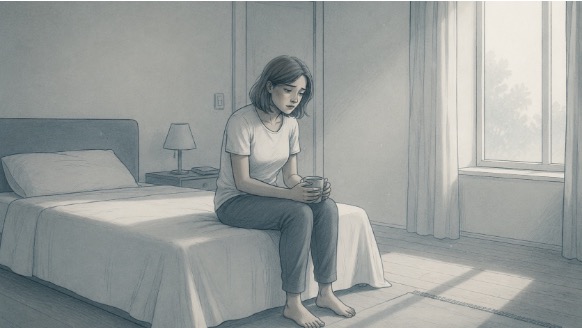
Depressive phases may bring low mood, lack of energy, or emptiness, yet you continue fulfilling work, school, or family obligations. This masking of symptoms often comes at a cost, leaving you exhausted outside of your responsibilities.
Functioning through depression does not mean the depression is mild. It often means a significant amount of energy is going toward maintaining appearances while very little is left for anything else. Rest stops feeling restorative, enjoyable activities lose their appeal, and the effort of showing up each day begins to feel unsustainable.
6. Mood-Linked Perfectionism
Hypomanic periods can intensify perfectionism, driving meticulous work or unrealistic goals, while depressive phases may fuel harsh self-criticism and feelings of failure. The fluctuation distinguishes it from consistent personality traits.
What makes this pattern particularly hard to identify is that perfectionism is often praised in professional and academic settings. The hypomanic drive to get everything exactly right can look like dedication, and the self-critical spiral during low periods can look like high standards. Tracking whether these tendencies shift in intensity alongside changes in energy and sleep can help clarify whether mood is playing a role.
7. Sleep Disturbances
You may thrive on very little sleep during hypomania or require excessive rest during depression, yet maintain normal functioning. These shifts often follow cyclical patterns rather than typical lifestyle factors.
Sleep changes in bipolar disorder are rarely random. A reduced need for sleep during elevated periods, combined with difficulty getting out of bed during low ones, tends to follow a recognizable rhythm over time. Keeping a simple sleep log can make these cycles more visible and give a clinician useful information when assessing what is going on.

8. Creative Surges & Burnout
High-functioning bipolar individuals often experience waves of creativity and productivity followed by periods of burnout or reduced output. These cycles may be particularly noticeable in artistic or problem-solving work.
During a creative surge, the ideas can feel limitless and the motivation to act on them feels effortless. When the surge ends, the contrast can be jarring. Projects get abandoned, motivation disappears, and the person may feel confused about why something that felt so alive just weeks before now feels completely out of reach.
9. Relationship Intensity & Withdrawal
Emotional engagement with partners, friends, or family may fluctuate with mood. You may feel highly connected and attentive at times, then distant or withdrawn, creating subtle but noticeable patterns in relationships.
People close to someone with high-functioning bipolar disorder sometimes describe the relationship as having two speeds with no clear reason for the shift. The person themselves may feel guilty about the withdrawal periods or struggle to explain them. These fluctuations are not a reflection of how much someone cares; they are a symptom of mood cycling that responds to appropriate support and treatment.
10. Mood-Linked Reliance on Everyday Habits
Some people lean on everyday habits like caffeine to manage mood swings. These coping strategies may appear controlled and functional, but indicate attempts to self-regulate without formal treatment.
Over time, this kind of coping can become its own complicating factor, making it harder to recognize the underlying mood pattern and harder for clinicians to get an accurate picture. What starts as a way to get through the day can quietly become a habit that masks symptoms rather than addressing them. Recognizing this pattern is a meaningful first step toward finding support that actually works.
How Can A Mission for Michael (AMFM) Help You Recover?

High-functioning bipolar disorder is easy to overlook precisely because life keeps moving. The signs are subtle, the coping strategies are well-practiced, and the pattern rarely looks like a crisis from the outside. But recognizing these signs is the first step toward getting support that matches what you are actually experiencing.
At AMFM, we offer personalized, evidence-based care for adults living with bipolar disorder, including residential, PHP, IOP, and virtual outpatient programs. Our clinical team works with you to stabilize mood, build practical coping strategies, and maintain your daily responsibilities throughout treatment. Most major insurances are accepted.
Frequently Asked Questions (FAQs)
Can someone with bipolar disorder hold a high-stress job?
Yes, many high-functioning individuals succeed in demanding careers across medicine, law, and the creative industries. Success relies on effective treatment, strong self-management, and flexible work structures. Some find that properly channelled hypomanic energy can even enhance performance.
Is high-functioning bipolar disorder less severe than other types?
Not necessarily. While outward functioning may appear stable, internal mood dysregulation can be intense.
Masking symptoms may delay diagnosis and treatment, increasing risks. “High-functioning” refers to external performance, not the severity of the condition.
How can I tell if my mood swings are normal or signs of bipolar disorder?
Bipolar mood shifts often occur without clear triggers, last days to weeks, affect energy and thinking, and follow cyclical patterns. Normal mood changes are usually linked to circumstances, resolve naturally, and don’t disrupt sleep, focus, or energy.
Should I tell my employer if I’m diagnosed?
Disclosure depends on workplace culture, legal protections, and personal circumstances. Many high-functioning individuals choose selective disclosure to HR or specific supervisors to access accommodations while maintaining privacy. Consulting an employment attorney or a mental health advocate can help you make this decision safely.
Can high-functioning bipolar disorder worsen if untreated?
Yes. Without appropriate support, episodes can become more frequent or severe over time. Early intervention is key to protecting daily functioning and improving long-term outcomes.
At AMFM, our evidence-based programs and personalized therapies help high-functioning individuals stabilize mood, develop practical coping strategies, and maintain their responsibilities while receiving the care they need.