





Key Takeaways
- All 10 personality disorders fall into three clusters based on shared traits.
- Cluster A involves odd or eccentric patterns, Cluster B centers on emotional intensity and impulsivity, and Cluster C is defined by anxiety-driven avoidance and fear of separation.
- Matching therapy to the right cluster and disorder significantly improves outcomes, so specialized care at A Mission For Michael (AMFM) Mental Health Treatment is organized around each person’s cluster diagnosis.
- Treatment approaches differ by cluster, and at AMFM Mental Health Treatment, clinicians select from DBT, Schema Therapy, and CBT based on each person’s specific disorder profile.
- A Mission For Michael (AMFM) provides specialized personality disorder treatment that follows proven approaches like DBT, Schema Therapy, and CBT for long-term recovery.
What Are Personality Disorders and Their Clusters?
Personality disorders are long-term patterns of thinking, feeling, and behaving that cause significant distress, organized by the DSM-5 into three clusters: A (odd/eccentric), B (dramatic/emotional), and C (anxious/fearful). All 10 recognized personality disorders fall within these three groups, each sharing core traits that shape how clinicians approach treatment.
Each cluster reflects distinct patterns in how a person relates to others, regulates emotions, and interprets the world around them. AMFM Mental Health Treatment offers specialized care for personality disorders, using evidence-based approaches like DBT, Schema Therapy, and CBT matched to each person’s specific needs.
Understanding the Cluster System Basics
The cluster system is a practical framework for grouping personality disorders based on shared characteristics, helping clinicians identify patterns and shape treatment decisions efficiently. Each cluster reflects distinct emotional, cognitive, and interpersonal tendencies that inform how care is structured.
DSM-5 Classification
The Diagnostic and Statistical Manual of Mental Disorders (DSM-5) organizes all 10 personality disorders into three clusters. Clinicians use this structure to recognize symptom patterns quickly, though many individuals show traits across more than one cluster.
- Cluster A covers the odd or eccentric disorders: Paranoid, Schizoid, and Schizotypal.
- Cluster B covers the dramatic or erratic disorders: Antisocial, Borderline, Histrionic, and Narcissistic.
- Cluster C covers the anxious or fearful disorders: Avoidant, Dependent, and Obsessive-Compulsive.
Cluster A: Odd/Eccentric
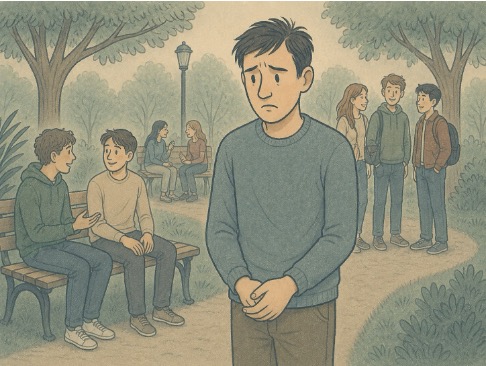
People with Cluster A personality disorders often appear odd or eccentric to others, misreading social cues and holding unconventional beliefs. Social isolation in this cluster typically stems from genuine discomfort with close relationships rather than indifference. Thought processes frequently diverge from conventional reasoning, sometimes resembling psychotic disorders but without a full break from reality.
Paranoid Personality Disorder
Paranoid Personality Disorder involves persistent distrust and suspicion of others without clear justification. People with this disorder interpret others’ actions as threatening or demeaning, hold grudges, and may read hidden meanings into ordinary remarks or events. Questioning the loyalty of friends and partners is common.
Schizoid Personality Disorder
Schizoid Personality Disorder is marked by deep detachment from social relationships and limited emotional expression. People with this disorder prefer solitary activities, show little interest in close relationships including family, and appear largely indifferent to praise or criticism.
Schizotypal Personality Disorder
Schizotypal Personality Disorder involves eccentric behavior, unusual thinking, and significant social discomfort. People with this disorder may hold magical beliefs or paranoid ideas that fall short of fixed delusions. Their speech can be odd or vague, and intense social anxiety tends to persist even in familiar settings.
Cluster B: Dramatic/Emotional

Cluster B personality disorders often create significant interpersonal chaos, as individuals struggle with boundary recognition, emotional regulation, and consistent behavior.
Unlike the social withdrawal of Cluster A, people with Cluster B disorders actively engage with others, though often in problematic ways. Examples include:
Antisocial Personality Disorder
Antisocial Personality Disorder involves a persistent disregard for the rights of others, often beginning in childhood or adolescence. Key signs include impulsivity, deceitfulness, aggression, and a lack of remorse for harmful actions. These patterns frequently lead to legal problems, unstable relationships, and difficulty holding employment.
Borderline Personality Disorder
Borderline Personality Disorder is marked by instability in relationships, self-image, and emotions, alongside significant impulsivity. People with this disorder often fear abandonment intensely, cycle between idealizing and devaluing others, and experience chronic emptiness. Identity disturbance and self-damaging behavior are also common features.
Histrionic Personality Disorder
Histrionic Personality Disorder centers on excessive emotionality and a strong need for attention. People with this disorder feel uncomfortable when not in the spotlight, use appearance to seek attention, and display rapidly shifting, shallow emotions. They often overestimate the closeness of their relationships.
Narcissistic Personality Disorder
Narcissistic Personality Disorder involves grandiosity, a constant need for admiration, and limited empathy. People with this disorder hold an inflated sense of self-importance, fantasize about exceptional success or power, and expect special treatment. Arrogance and entitlement are defining features.
Cluster C: Anxious/Fearful
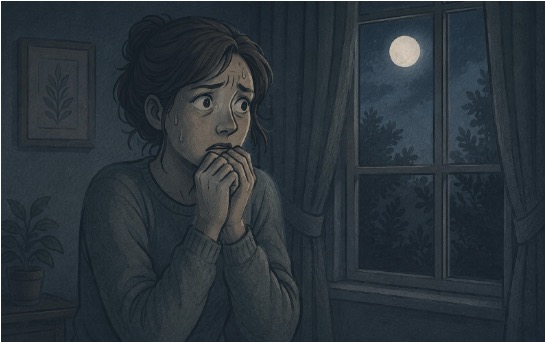
Unlike the dramatic presentation of Cluster B or the oddity of Cluster A, Cluster C disorders often involve excessive attempts to control anxiety through avoidance, dependence on others, or rigid perfectionism.
These patterns frequently lead to significant self-limitation rather than external conflict. Common personality disorders in this cluster include:
Avoidant Personality Disorder
Avoidant Personality Disorder is marked by social inhibition, persistent feelings of inadequacy, and strong sensitivity to criticism or rejection. People with this disorder often avoid jobs or situations requiring interpersonal contact, view themselves as socially inept, and hold back from new activities out of fear of negative evaluation.
Dependent Personality Disorder
Dependent Personality Disorder involves an excessive need to be cared for, resulting in submissive behavior and intense fear of separation. People with this disorder struggle to make everyday decisions without reassurance, rely on others for major life responsibilities, and feel helpless or deeply uncomfortable when alone.
Obsessive-Compulsive Personality Disorder
Obsessive-Compulsive Personality Disorder (distinct from OCD) centers on a preoccupation with order, perfectionism, and control that comes at the expense of flexibility and efficiency. Common signs include excessive devotion to work, rigid moral standards, reluctance to delegate, and difficulty discarding objects others would consider worthless.
Cluster A vs B vs C: Comparison Table
| Characteristic | Cluster A: Odd/Eccentric | Cluster B: Dramatic/Emotional | Cluster C: Anxious/Fearful |
| Main Description | Social detachment and unusual thought patterns; odd or eccentric behavior; misinterpret social cues; unconventional beliefs | Emotional intensity, impulsivity, dramatic relationship patterns; interpersonal chaos; difficulty with boundaries and emotional regulation | Chronic fear and anxiety; excessive attempts to control anxiety through avoidance, dependence, or perfectionism |
| Specific Disorders | Paranoid, Schizoid, Schizotypal | Antisocial, Borderline, Histrionic, Narcissistic | Avoidant, Dependent, Obsessive-Compulsive |
| Thought Patterns | Unusual or suspicious thinking (e.g., paranoia, magical thinking, indifference to social feedback) | Dramatic, black-and-white thinking; rapid shifts in relationships; unrealistic self-appraisal | Anxious cognition; catastrophizing, doubting abilities, fixating on details and mistakes |
| Relationship Styles | Emotional distance and isolation; vigilant for betrayal; prefer solitude; feel different from others | Intense, unstable relationships; exploitative or clingy behaviors; attention-seeking; use others for validation | Anxiety-driven patterns; desire connection but fear rejection; surrender autonomy for security; impose rigid standards |
| Emotional Regulation | Restricted emotional expression; difficulty accessing feelings | Emotional volatility; rapid mood shifts; impulsive expression of feelings | Chronic anxiety; fear and worry predominate; use avoidance or control to manage emotions |
| Social Functioning | Social isolation; others may avoid due to odd or aloof manner | Social chaos and conflict; frequent ruptures and boundary violations | Social constraint; avoidant or overly compliant behavior limits authentic connection |
| Primary Treatment Approaches | Reality testing, social skills training, cognitive approaches to suspicious thinking, emotional awareness development | Emotional regulation skills training (e.g., DBT), mentalization-based therapy, managing emotional intensity | Anxiety management (CBT), graduated exposure, challenging catastrophic thinking, building self-trust and independence |
| Key Challenges | Difficulty recognizing problematic patterns; ego-syntonic nature; may appear cold or aloof | Emotional overwhelm; impulsivity; unstable relationships | Self-limitation through avoidance; underachievement; isolation |
How Are Personality Disorders Treated?
Therapy Options
Several therapeutic approaches have shown strong results for personality disorders. Dialectical Behavior Therapy (DBT) combines emotional regulation, distress tolerance, and mindfulness skills with individual therapy, and was originally developed for Borderline Personality Disorder.
Schema Therapy targets deep-rooted patterns of thinking and behaving that maintain personality difficulties. Mentalization-Based Treatment builds the ability to understand mental states in oneself and others, making it particularly useful for Cluster B disorders.
Cluster A disorders often respond well to cognitive approaches paired with social skills development. Cluster C disorders tend to benefit from Cognitive-Behavioral Therapy targeting anxious thoughts and avoidance through graduated exposure. The therapeutic relationship itself remains a key part of recovery across all clusters.
Medication Considerations
No medications treat personality disorders directly, but a prescribing clinician may recommend pharmacotherapy to manage symptoms that complicate recovery.
Antidepressants may reduce emotional reactivity in Cluster B or relieve anxiety in Cluster C. Mood stabilizers help with emotional volatility, and low-dose antipsychotics can ease paranoia in Cluster A. All medication decisions require careful monitoring.
Finding Hope and Healing at AMFM

Personality disorders are complex, but the three-cluster system gives both clinicians and individuals a clearer way to understand what is happening and why. Whether the pattern is odd thinking, emotional intensity, or persistent anxiety, an accurate picture of the disorder is what makes targeted, effective treatment possible.
At AMFM, we provide specialized personality disorder treatment built around each person’s clinical profile, using approaches like CBT and DBT across our California, Virginia, and Washington locations. If you or someone you care about is ready to take the next step, we are here to help.
Frequently Asked Questions
What’s the difference between having personality traits and having a personality disorder?
A formal diagnosis requires patterns that cause significant distress or impairment across multiple life areas, remain stable over time, and deviate markedly from cultural expectations. Occasional traits alone do not meet that threshold.
Can personality disorders be cured?
Rather than “cured,” personality disorders can be effectively managed. Many people experience substantial improvement with treatment, and research shows symptoms often decrease naturally over time, with therapy accelerating that process.
Are personality disorders genetic?
Both genetics and environment play a role. Twin studies indicate moderate heritability, but early life experiences heavily influence whether genetic vulnerabilities develop into a full disorder.
How long does treatment for personality disorders typically take?
Personality disorders generally require longer-term treatment than other mental health conditions. Many people see meaningful progress within 6 to 12 months, though full recovery can take several years.
What makes AMFM different for personality disorder treatment?
AMFM provides specialized personality disorder treatment using DBT and CBT across multiple locations, combining individual therapy, group work, and medication management for lasting recovery.