





Key Takeaways
- Recovery from a panic attack hangover comes down to seven at-home steps (hydration, rest with light movement, grounding and breathing, nourishing food, limiting stimulants, connection, and journaling or a body scan) paired with clinical treatment when attacks recur.
- The first hours call for hydration with electrolytes, gentle rest balanced with light movement like walking or stretching, and grounding techniques such as 5-4-3-2-1 paired with slow diaphragmatic breathing to calm the nervous system.
- Within a day or two, nourishing easy-to-digest meals, limited caffeine and screen time, and reaching out to a trusted person help ease fatigue, brain fog, and emotional flatness without re-triggering anxiety.
- Recurring panic attacks respond well to Cognitive Behavioral Therapy (CBT), Dialectical Behavior Therapy (DBT), and Eye Movement Desensitization and Reprocessing (EMDR), addressing the underlying patterns that keep panic returning.
- At A Mission For Michael (AMFM), we treat panic disorder and recurring anxiety through evidence-based therapies across residential, Partial Hospitalization Programs (PHP), and Intensive Outpatient Programs (IOP) in our California, Virginia, Minnesota, and Washington locations.
Steps That Help After a Panic Attack Subsides
A panic attack hangover is the wave of exhaustion, brain fog, muscle soreness, and emotional flatness that follows once the attack itself has passed, and recovery starts with calming the nervous system rather than pushing through it. The first few hours respond best to hydration, gentle rest, slow breathing, and grounding techniques, while the days that follow benefit from steady nutrition, limited stimulants, and connection with people you trust.
If your panic attacks are recurring, the at-home steps alone usually aren’t enough. Therapies like CBT, DBT, and EMDR address the underlying patterns that keep panic returning, and more intensive levels of care, such as residential, PHP, or IOP programs, help when attacks are disrupting work, sleep, or relationships. The right mix depends on how often attacks happen and what’s driving them.
We’ll walk through the practical at-home steps first, then the professional treatment options that address recurring panic at its source. For adults whose attacks are frequent, worsening, or interfering with daily life, A Mission For Michael (AMFM) offers specialized residential and outpatient care that pairs evidence-based therapy with holistic support in calm, home-like settings.
How to Recover from a Panic Attack Hangover
1. Hydrate & Replenish Electrolytes
Adrenaline surges leave the body dehydrated and depleted of minerals like sodium and potassium, which can worsen fatigue and lightheadedness. Sip water steadily through the day, and add a light electrolyte drink or coconut water if you feel weak or dizzy. Avoid sugary sports drinks that can worsen jitteriness or trigger blood sugar dips. Herbal teas such as chamomile or lemon balm offer hydration plus a mild calming effect, making them a good evening option.
2. Prioritize Rest, but Stay Lightly Active
Sleep helps the nervous system reset, so allow yourself a longer night or an afternoon nap if needed. Gentle movement, such as a slow walk, restorative yoga, or light stretching, releases residual muscle tension without spiking your heart rate. Save intense workouts for at least a day later, since high-intensity exercise can mimic panic symptoms and re-trigger anxiety. Many people find that 15 to 20 minutes of slow movement outdoors does more for recovery than a long rest indoors.
3. Use Grounding & Breathing Techniques
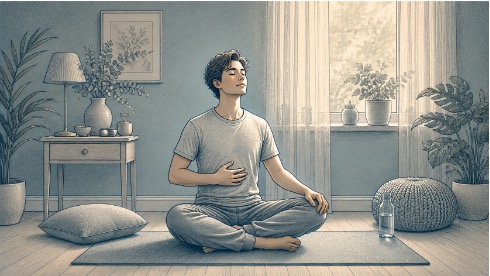
Grounding exercises pull your attention back to the present moment, reducing residual anxiety. Try the 5-4-3-2-1 method: name five things you see, four you can touch, three you hear, two you smell, and one you taste. Pair it with slow diaphragmatic breathing, inhaling for four counts and exhaling for six, to activate the parasympathetic nervous system and lower your heart rate naturally. Box breathing, where you inhale, hold, exhale, and hold again for four counts each, is another reliable option to use throughout the day.
4. Eat Nourishing, Easy-to-Digest Foods
Skip caffeine and heavy meals for several hours. Choose foods rich in complex carbohydrates, protein, and healthy fats such as oatmeal, eggs, bananas, avocado toast, or warm broth. Stable blood sugar supports a calmer mood and steadier energy, and warm foods can feel especially comforting after the body has been in fight-or-flight mode. Magnesium-rich foods like leafy greens, almonds, and pumpkin seeds may also help relax tight muscles and ease residual tension.
5. Limit Stimulants & Screen Time
Caffeine, nicotine, and heavy screen exposure can re-trigger the sympathetic nervous system. Give yourself a quiet window, even an hour or two, to dim lights, lower noise, and let your body settle. Some people find a warm shower, a weighted blanket, or quiet music helpful during this reset period. Try replacing your usual coffee with decaf or herbal tea for the rest of the day, and shift social media or news scrolling to a later time when your nervous system has steadied.
6. Reach Out to a Trusted Person
Talking to a friend, partner, or therapist about what happened can normalize the experience and reduce shame. You do not need to recount every detail. Sometimes a simple acknowledgment that you had a hard day is enough to lighten the emotional load. If you live alone, a phone call, voice note, or text exchange works just as well. Connection signals safety to the nervous system and helps shorten the duration of a hangover.
7. Try Journaling or a Mindful Body Scan
A short journaling session can release lingering thoughts and help you notice early warning signs for the future. Write freely for five to ten minutes about how the attack felt, what helped, and what you need now. A mindful body scan is another low-effort option: lie down, close your eyes, and slowly bring attention to each part of your body from head to toe, softening any tension you notice. Both practices help the brain process the experience without overanalyzing it.

Tips & Treatment Options for Recurring Panic Attacks
Cognitive Behavioral Therapy (CBT)
CBT is one of the most effective treatments for panic disorder. It helps identify the thought patterns and physical cues that fuel panic, then teaches new responses through exposure and reframing exercises that gradually reduce the body’s panic response. Most people see meaningful improvement within 12 to 16 weekly sessions, and the skills carry over into daily life long after therapy ends.
Dialectical Behavior Therapy (DBT)
DBT combines mindfulness with distress tolerance and emotion regulation skills, useful for people whose panic attacks come with intense emotional swings or a trauma history. The skills taught in DBT give you concrete tools to use during a panic episode and during the recovery window that follows.
EMDR Therapy
Eye Movement Desensitization and Reprocessing is well-suited for panic rooted in past trauma. It helps the brain reprocess distressing memories so they no longer trigger acute anxiety responses in the present. EMDR is often paired with traditional talk therapy for clients who notice their panic attacks tie back to specific events.
Medication Support
For some, a psychiatrist may recommend short-term or longer-term medication such as SSRIs or anti-anxiety medications alongside therapy. Medication tends to work best when paired with consistent therapeutic care rather than used in isolation, since therapy builds the skills needed to manage symptoms once medication is reduced or discontinued.
Holistic & Lifestyle Approaches
Practices like mindfulness meditation, biofeedback, art therapy, and equine therapy support nervous system regulation. Adjustments to sleep, nutrition, and movement habits round out the recovery picture and reduce how often panic attacks occur. Many treatment programs now combine these holistic methods with traditional therapy for a more complete approach.
Levels of Care for Severe or Recurring Panic
Outpatient therapy resolves many cases, but more intensive levels of care help when attacks feel unmanageable at home or come alongside depression, trauma, or other conditions. Residential programs offer 24-hour support in a structured setting, partial hospitalization programs provide daytime treatment with evenings at home, and intensive outpatient programs allow you to continue work or school while still receiving several hours of weekly care.
How AMFM Helps You Move Past Panic Attack Cycles
A panic attack hangover is uncomfortable, but the symptoms are temporary and respond well to gentle, consistent care. The first hours call for hydration, slow breathing, light movement, and rest, while the longer view depends on the pattern of your attacks. If episodes are rare and tied to a known stressor, self-care strategies usually carry you through. If they happen often or interfere with daily life, professional therapy and a personalized treatment plan give you the tools to break the cycle for good.
At A Mission for Michael (AMFM), we help adults rebuild stability after recurring panic attacks through residential, partial hospitalization, intensive outpatient, and virtual programs across California, Virginia, Minnesota, and Washington. Our licensed clinicians combine CBT, DBT, EMDR, and holistic therapies in calm, home-like settings so you can recover at the pace that suits you.
Frequently Asked Questions (FAQs)
How long does a panic attack hangover usually last?
Most people notice the most severe symptoms within the first few hours after an attack, with full recovery taking anywhere from several hours to two or three days. Hydration, rest, and grounding techniques shorten the window, while ongoing stress or poor sleep can extend it.
Can a panic attack hangover cause physical pain?
Yes. The muscle tension and rapid breathing during an attack often lead to soreness in the chest, jaw, neck, and shoulders. Headaches and a tight stomach are also common. Gentle stretching, warm showers, and steady hydration usually ease the discomfort within a day.
Is it normal to feel emotionally numb after a panic attack?
Yes. Emotional flatness or detachment is a common nervous system response after a surge of stress hormones. The brain essentially powers down to recover. The numbness usually lifts within a day, but if it lasts longer or feels distressing, speaking with a therapist can help.
Should I exercise after a panic attack?
Light movement is fine and often helpful, but intense exercise should wait at least a day. Slow walks, gentle yoga, or stretching release residual tension without raising your heart rate too quickly. Listen to your body, and rest if you feel lightheaded or unusually fatigued.
How does AMFM treat panic disorder and recurring anxiety?
At AMFM, we use a personalized blend of evidence-based therapies, including CBT, DBT, and EMDR, alongside holistic options such as mindfulness, art, and equine work. Our residential, PHP, IOP, and virtual programs across California, Virginia, Minnesota, and Washington give clients flexible, accredited care for lasting recovery.