Key Takeaways
- High-functioning ADHD in adults often goes unnoticed because outward success in work, relationships, and daily life can hide internal struggles with focus, executive function, and emotional regulation.
- Chronic procrastination with last-minute results is a common sign, with deadlines triggering the neurochemical urgency needed to focus and complete tasks, often at the cost of stress, anxiety, and burnout.
- Adults with high-functioning ADHD may hyperfocus intensely on engaging work for hours while struggling with routine or boring responsibilities like emails, bills, or household tasks, creating an uneven productivity pattern.
- Other signs include impulsiveness disguised as spontaneity (quick decisions on projects, relationships, or purchases), time blindness disguised as being fashionably late, and mental restlessness mistaken for creativity that leaves you exhausted by your own thoughts.
- AMFM Mental Health Treatment provides compassionate, evidence-based care through residential, PHP, and IOP programs across California, Virginia, and Washington tailored for adults with ADHD and co-occurring conditions like anxiety, depression, and PTSD, supported by accreditations from The Joint Commission and the California Department of Health Care Services.
What Is High-Functioning ADHD in Adults?
High-functioning ADHD describes adults who live with the core symptoms of ADHD (attention difficulties, executive function challenges, impulsivity, time perception issues) but have developed strong coping skills that allow them to succeed in work, relationships, and daily life. Despite appearing put-together externally, these adults often struggle internally with managing attention, emotions, and follow-through, creating a contrast between visible success and hidden difficulty that can lead to burnout, anxiety, and chronic stress.
The common 5 signs of high-functioning ADHD in adults are: chronic procrastination that somehow gets results, impulsiveness that appears as spontaneity, hyperfocus that masks attention issues, time blindness disguised as being fashionably late, and mental restlessness that looks like creativity. For adults experiencing these signs and the burnout, anxiety, or co-occurring conditions like depression or PTSD that often come with them, AMFM Mental Health Treatment provides personalised mental health using evidence-based therapies including CBT, DBT, and EMDR.
What Are the 5 Signs of High-Functioning ADHD in Adults?
1. Chronic Procrastination That Somehow Gets Results
One of the clearest signs of high-functioning ADHD is always waiting until the last minute, but still delivering. This isn’t just a bad habit; your brain actually relies on the urgency of deadlines to kick into gear. That final push floods your system with the right neurochemicals, finally making it possible to focus and finish.
You’ve probably become known as the “miracle worker” who thrives under pressure, but what others don’t see is the anxiety, stress, and exhaustion it causes behind the scenes. Even when you try to start early, your brain just won’t cooperate until the pressure is high enough. Over time, this cycle can take a serious toll: sleep suffers, stress builds, and relationships feel the strain.
2. Impulsiveness That Appears as Spontaneity
Impulsivity in high-functioning ADHD often hides in plain sight. Instead of being disruptive, it can come across as boldness or spontaneity. You might make quick decisions that seem exciting at first, like jumping into projects, relationships, or purchases, only to deal with the fallout later. It’s not that you don’t know better; your brain just reacts faster than it can weigh consequences.
Financially, this shows up in unplanned spending, forgotten subscriptions, or risky choices made in the moment. People may praise your adventurous spirit or ability to act fast, but you’re left managing the emotional and practical aftermath. The hardest part? Getting positive feedback for the very behavior that’s quietly stressing you out.
3. Hyperfocus That Masks Attention Issues
Hyperfocus is one of the most misleading aspects of ADHD. You can lose yourself for hours in a task you love, making it seem like attention isn’t an issue at all. But this intense focus is actually part of the same ADHD wiring; it’s not about lacking attention, but struggling to control where it goes.
You might get completely absorbed in creative projects, research, or games while struggling to complete simple tasks like responding to emails or paying bills. The dopamine boost from interesting activities temporarily makes focus easy, but the rest of life doesn’t offer that same stimulation. After intense focus, you’re often wiped out, needing time to recover.
This cycle of bursts and crashes makes consistent productivity tough and often leaves you wondering why you can’t just focus “on demand.”

4. Time Blindness Disguised as Being Fashionably Late
Time blindness means you experience time differently. It stretches, shrinks, and often escapes you completely. You might feel like five minutes passed when it’s been an hour, or think a deadline next week is ages away until it suddenly feels like it’s tomorrow. This warped sense of time leads to chronic lateness, missed deadlines, and a constant scramble to catch up.
Others may see this as carelessness, but you’re often just as surprised as they are when you realize you’re late. To cope, you probably rely on layers of reminders: alarms, calendars, timers, just to stay on track. These systems help, but they’re draining to manage. The worst part? Despite your best efforts, time-related slip-ups still happen, affecting relationships and increasing anxiety about future commitments.
5. Mental Restlessness That Looks Like Creativity
Your constantly buzzing mind often gets mistaken for creativity. You might come across as full of fresh ideas, quick connections, and out-of-the-box thinking, especially in conversations or brainstorming sessions. But underneath that impressive energy is a restless mental state that rarely turns off. The stream of thoughts isn’t always helpful or welcome. Sometimes, it’s just noise that wears you down.
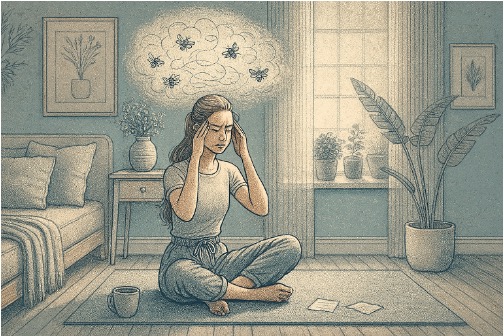
This internal activity can be exhausting. Even when you’re outwardly calm, your brain is still jumping from thought to thought, making it hard to focus, relax, or fall asleep. Nights often become your most productive hours, not because you’re a night owl by choice, but because it’s the only time the world quiets down enough for your brain to focus. Unfortunately, that late-night clarity clashes with daily routines, leaving you tired and misaligned with everyone else’s schedule.
People around you may praise your quick thinking without realizing it’s not always intentional or pleasant. What feels like creativity to them might feel like chaos to you, a constant mental hum you didn’t ask for and can’t always control.
How Should Adults with High-Functioning ADHD Approach Recovery with AMFM?

High-functioning ADHD in adults often hides behind outward success, with the 5 signs creating an exhausting gap between visible performance and internal experience. Professional support can include medication that reduces the mental effort required to keep everything together, therapy that helps you understand how your ADHD brain works and turn challenges into strengths, structured programs that provide focused support during difficult periods, and care plans that address co-occurring conditions alongside the ADHD itself.
For adults experiencing the signs of high-functioning ADHD and the burnout, anxiety, depression, or PTSD that often accompany it, AMFM Mental Health Treatment provides personalized mental health care across Southern California, Washington, and Virginia through residential, partial hospitalization, and intensive outpatient programs using evidence-based therapies including CBT, DBT, and EMDR.
Frequently Asked Questions (FAQs)
Can high-functioning ADHD develop later in life, or was it always there?
ADHD doesn’t suddenly appear in adulthood; it’s been there since childhood, though the signs may have been subtle or overlooked. What often seems like “late-onset” ADHD usually surfaces when adult responsibilities pile up and old coping mechanisms stop working. Many adults realize the signs were always there, like zoning out in class or struggling to stay organized, but didn’t cause enough disruption to raise alarms until later in life.
How do I know if I have high-functioning ADHD or if I’m just disorganized?
Occasional disorganization is normal. ADHD shows up as consistent patterns that impact daily life, even with effort. If you’ve always had trouble with focus, follow-through, or time, even in different settings, it’s worth getting evaluated.
Can medication help with high-functioning ADHD if I’m already successful?
Yes, many successful adults find that medication reduces the mental effort it takes to keep everything together. It won’t boost your talent, but it can ease the constant push to stay on track. The goal isn’t more success, it’s less burnout. With the right medication and support, work feels more manageable and less draining. Finding the right fit may take time, so it’s best to work closely with a provider experienced in adult ADHD.
What’s the difference between being a procrastinator and having ADHD?
Procrastination is common, but with ADHD, it runs deeper. It’s not just about choosing fun over chores; it’s a real struggle to start tasks, even ones you care about. Your brain might know what needs to be done, but still won’t engage until the last minute. This isn’t laziness, but rather a disconnect between intention and action that can be hard to explain, even to yourself.
How does AMFM support adults with ADHD and related conditions?
AMFM gives you a tailored path to wellness, starting with a full assessment and help with insurance. Our team creates a treatment plan that fits your life, supported by compassionate care across our peaceful facilities in California, Virginia, and Washington State. If you’re dealing with ADHD, anxiety, trauma, or other challenges, we’re here to guide you toward lasting recovery. Call for a free, confidential assessment today!