





Key Takeaways
- High-functioning OCD is frequently mistaken for perfectionism or ambition, which delays diagnosis and allows symptoms to build quietly behind a capable exterior.
- Common signs of high-functioning OCD include perfectionism that delays task completion, excessive organization, intrusive thoughts, and mental rituals that others rarely notice.
- Reassurance-seeking, rigid routines, and repetitive checking behaviors may seem responsible or cautious, yet they often function as compulsions that temporarily reduce anxiety.
- Evidence-based treatments such as Exposure and Response Prevention (ERP), Cognitive Behavioral Therapy (CBT), and Acceptance and Commitment Therapy (ACT) can help reduce compulsions and improve quality of life.
- AMFM Mental Health Treatment provides personalized OCD care through ERP, CBT, and individualized treatment plans designed to address both symptoms and their underlying causes.
What Does High-Functioning OCD Look Like?
High-functioning OCD presents through seven recognizable patterns: perfectionism that stalls tasks, silent mental rituals, compulsive organization, intrusive thoughts behind a calm exterior, hidden reassurance-seeking, rigid daily routines, and productive-looking compulsions. Each of these can pass as a personality trait for years before the internal cost becomes impossible to ignore.
Many people maintain careers, relationships, and daily responsibilities while quietly struggling with High-functioning OCD. Because symptoms are often hidden behind productivity or attention to detail, the condition can go unrecognized for years. Recognizing the signs early is important because OCD is highly treatable. At AMFM Mental Health Treatment, clients receive individualized care using evidence-based approaches that help them understand and manage the patterns driving their symptoms.
This article explores seven common signs of high-functioning OCD, explains why they are frequently mistaken for personality traits, and outlines when professional support may be beneficial.
What Are the Common Signs of High-Functioning OCD?
High-functioning OCD can be difficult to spot because many symptoms are hidden behind discipline, productivity, or a calm exterior. People often appear organized and capable while privately managing intense anxiety or compulsions.
These signs may suggest high-functioning OCD, especially when they cause distress or take up significant time without visibly disrupting your life.
1. Perfectionism That Delays Finishing Tasks
This form of perfectionism is driven by fear rather than ambition. You may rewrite emails repeatedly, over-polish assignments, or obsess over tiny details long after others would stop. Even when you meet deadlines, it often requires staying late, losing sleep, or feeling overwhelmed.
The anxiety that comes with submitting something “imperfect” can be intense and hard to ignore. Small errors feel catastrophic, and the relief from finishing a task is often short-lived because doubt sets in almost immediately. Over time, this cycle of effort and second-guessing can make even routine work feel like a significant undertaking.

2. Invisible Mental Rituals & Counting
Many OCD compulsions occur internally. You might count to specific numbers, repeat phrases in your mind, pray silently, or mentally review situations to ensure nothing went wrong. These rituals can happen during conversations or work tasks, making them easy for others to overlook.
Unlike physical compulsions, mental rituals leave no visible trace, which makes them particularly hard to identify and address. They feel urgent and necessary in the moment, even when you recognize they are not logical. The effort required to complete these rituals throughout the day contributes to significant fatigue and difficulty concentrating.
3. Excessive List-Making & Over-Organization
Organization becomes a coping mechanism. You may keep multiple lists, color-coded planners, or elaborate systems that take more time to maintain than they save. These routines often provide temporary relief from anxiety but quickly grow into time-consuming habits that feel impossible to scale back.
The relief from organizing is brief. Once a list is complete or a system is in place, anxiety returns and drives the need to reorganize, add more detail, or start a new system entirely. What begins as a practical tool gradually becomes a ritual that must be completed before other tasks can begin.
4. Intrusive Thoughts Paired With a Calm Exterior
Unwanted intrusive thoughts about contamination, harm, mistakes, or taboo themes may occur throughout the day. Although these thoughts trigger intense discomfort, you’re skilled at masking your reactions. You might appear calm, focused, or even cheerful while internally battling a stream of distressing mental images or fears.
Managing this gap between outward appearance and internal experience requires constant effort. Most people have occasional intrusive thoughts, but in OCD, these thoughts feel threatening, personally meaningful, and very difficult to dismiss.
The compulsion to suppress or neutralize them adds another layer of mental work that goes completely unnoticed by those around you.
5. Reassurance-Seeking That Looks Like “Double-Checking”
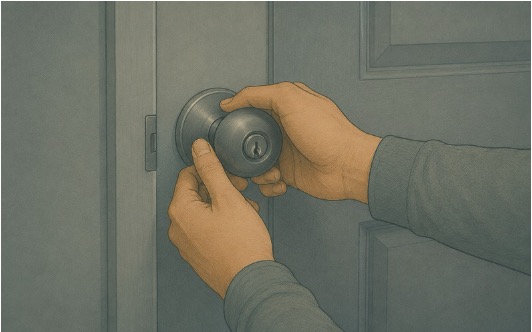
Instead of expressing your worries directly, you ask subtle questions or request feedback that seems reasonable on the surface. You might confirm plans multiple times, ask colleagues to review something “just in case,” or revisit conversations to ensure you didn’t say something wrong. This need for reassurance stems from fear of making mistakes or causing harm.
Reassurance-seeking also shows up in physical rituals that are easy to dismiss as caution. Checking a locked door multiple times before leaving, returning to verify an appliance is off, or testing a doorknob repeatedly are common examples. The relief is brief, doubt returns quickly, and the cycle continues until the behavior becomes a fixed part of the daily routine.
6. Rigid Daily Routines That Feel Essential
Your routines may look like discipline to others, with the same morning sequence, same route, and same bedtime steps, but any disruption triggers significant internal discomfort. While you may still function outwardly, the emotional strain of veering off your routine can linger for hours.
The difference between a healthy habit and an OCD-driven routine is the level of distress when it gets disrupted. A missed step or unexpected change can trigger anxiety that feels out of proportion to the situation, making it hard to refocus or move on. This rigidity can quietly limit flexibility, spontaneity, and comfort in unfamiliar settings.
7. Time-Consuming Rituals Disguised as Productivity
High-functioning OCD often hides in behaviors that appear responsible: over-preparing for presentations, triple-checking information, arriving extremely early, or creating detailed documentation. These actions seem productive, but they’re driven by anxiety rather than necessity, and skipping them feels impossible.
Because these rituals produce results that look useful, they can go unquestioned for years. Colleagues may admire the thoroughness, and you may even take pride in the output, without recognizing that the behavior is compulsive. The real cost shows up in time lost, ongoing exhaustion, and the inability to scale back even when the situation clearly doesn’t call for that level of effort.
Here’s the suggested table to add before or after the 7 signs section:
What Are the 7 Signs of High-Functioning OCD at a Glance?
| # | Sign | What It Looks Like |
| 1 | Perfectionism That Delays Finishing Tasks | Rewriting emails, over-polishing work, fear of submitting anything “imperfect” |
| 2 | Invisible Mental Rituals & Counting | Silent counting, repeating phrases mentally, reviewing situations internally |
| 3 | Excessive List-Making & Over-Organization | Color-coded planners, multiple lists, systems that take more time than they save |
| 4 | Intrusive Thoughts Paired With a Calm Exterior | Distressing mental images masked by an outwardly calm, focused appearance |
| 5 | Reassurance-Seeking That Looks Like “Double-Checking” | Confirming plans repeatedly, checking locked doors, and asking for unnecessary feedback |
| 6 | Rigid Daily Routines That Feel Essential | Fixed sequences where any disruption causes disproportionate distress |
| 7 | Time-Consuming Rituals Disguised as Productivity | Over-preparing, triple-checking, arriving extremely early, driven by anxiety |
How Can AMFM Help Individuals with High-Functioning OCD?

High-functioning OCD is not a personality quirk or a productivity habit gone too far. The seven signs covered here reflect a real, diagnosable condition that responds well to treatment. Recognizing the pattern is the first step, and for many people, that recognition alone brings significant relief after years of quietly managing alone.
At AMFM Mental Health Treatment, we treat high-functioning OCD with the same clinical rigor we apply to every mental health condition: individualized plans, evidence-based therapies like CBT and ERP, and care that addresses what’s underneath the surface. If any part of this article felt familiar, we are ready to help you take the next step at managing OCD.
Frequently Asked Questions (FAQs)
Is high-functioning OCD considered a formal diagnosis?
No, “high-functioning OCD” isn’t a separate diagnosis. It’s a descriptive term for people who maintain daily responsibilities despite OCD symptoms. Clinicians still diagnose OCD, noting functional impact and symptom presentation for treatment planning.
Can you suddenly develop high-functioning OCD as an adult?
Yes, OCD can first appear in adulthood, often triggered by stress, life changes, or trauma. Sometimes mild tendencies existed earlier but became clinically significant later, making the onset seem sudden, though underlying vulnerability often predated it.
How is high-functioning OCD different from being detail-oriented or meticulous?
High-functioning OCD is anxiety-driven. Compulsions temporarily relieve distress, and failing rituals cause significant stress. In contrast, detail-oriented people enjoy thoroughness, feel satisfaction, and can adjust standards without anxiety, unlike those with OCD.
Can high-functioning OCD go away on its own?
OCD rarely resolves without treatment. Symptoms may fluctuate, but compulsions often persist or worsen over time. Untreated high-functioning OCD can become more entrenched, highlighting the importance of professional therapy for long-term relief.
Can therapy alone help manage high-functioning OCD?
Yes. Evidence-based therapies like CBT, ERP, and ACT are highly effective for high-functioning OCD. At AMFM, these approaches are combined with personalized treatment plans and compassionate support, helping clients reduce compulsions, manage anxiety, and build lasting coping skills.