





Key Takeaways
- A mental breakdown builds through five stages, and the early ones often look like ordinary stress, which is why so many people miss the window to act.
- Knowing which stage you or a loved one is in helps you decide whether self-care is enough or whether professional support is the right next step.
- If stress has escalated into persistent anxiety, withdrawal, or emotional shutdown, connecting with a mental health provider sooner rather than later is the most effective move.
- Getting support from a treatment center like AMFM Mental Health Treatment makes a real difference at Stage 4, where therapy approaches such as CBT, DBT, and EMDR help address the anxiety, depression, and trauma behind most breakdowns.
- AMFM’s residential and outpatient programs support people from the earliest warning signs of a breakdown through stabilization and beyond.
What a Mental Breakdown Really Looks Like
A mental breakdown moves through five distinct stages: mounting stress, heightened anxiety, withdrawal, a crisis point, and recovery. Warning signs typically surface weeks before reaching a breaking point, which means there is time to act before a situation escalates into full crisis.
Each stage looks different depending on the person, but the overall pattern tends to follow a recognizable path. Understanding the progression helps individuals and loved ones know when to reach out. AMFM Mental Health Treatment provides structured programs to support people through any stage of this experience.
What Are the 5 Stages of a Mental Breakdown?
Stage 1: Mounting Stress & Early Warning Signs
The first stage often resembles ordinary stress that has lingered longer than expected. A person may notice they are more easily frustrated, sleeping poorly, or carrying physical tension in their shoulders, jaw, or chest. These symptoms are easy to brush aside because they mimic the effects of a demanding schedule.
Example: A working parent takes on additional responsibility at the office and starts forgetting appointments, snapping at family members over small issues, and waking up at 3 a.m., unable to fall back asleep. They attribute it to a rough patch, but the pattern continues for several weeks without improvement.
At this stage, the body and mind are sending signals that existing coping strategies are stretched too thin. If these early signs go unaddressed, the pressure continues to accumulate.
Stage 2: Heightened Anxiety & Emotional Overload
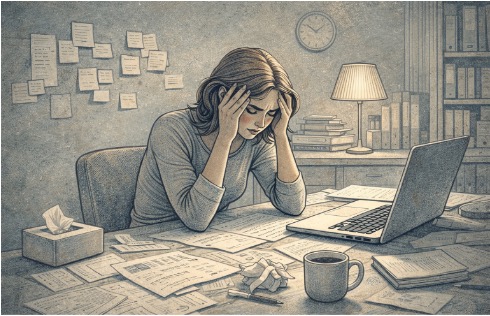
During the second stage, the low-grade stress of Stage 1 intensifies into persistent anxiety or emotional overwhelm. A person might feel a constant sense of dread, become tearful without a clear cause, or notice a racing heart during routine activities. Concentration becomes harder, and even simple decisions can feel paralyzing.
Example: A college student preparing for exams begins having panic attacks in the library. Their chest tightens, thoughts spiral, and reading a single page feels impossible. Deciding what to eat for dinner becomes an ordeal.
People in this stage often try to push through, relying solely on willpower. Without adequate support or intervention, the emotional burden typically grows heavier.
Stage 3: Withdrawal & Isolation
By Stage 3, a person often begins to pull away from the people and activities that previously brought comfort or structure. They may cancel plans, stop returning phone calls, or miss work.
This withdrawal is rarely a deliberate choice. It is the mind’s response to feeling unable to meet normal demands.
Example: A teacher who has always been outgoing begins declining invitations, eating meals alone, and spending entire weekends in bed. Colleagues notice the shift and ask if everything is okay, but the teacher insists they are “just tired.”
This stage represents a meaningful turning point. The gap between what a person needs and what they can manage independently widens significantly.
Stage 4: The Breaking Point
Stage 4 is the crisis itself. A person may feel entirely unable to function. Getting out of bed, maintaining hygiene, going to work, or caring for others can feel impossible.
Emotional responses may swing between extremes, including uncontrollable crying, deep hopelessness, or complete emotional numbness. Some people experience dissociation or feel disconnected from the world.
Example: An accountant who has been under months of unrelenting pressure misses three days of work without contacting anyone. They stop eating regularly, cannot stop crying, and tell a close friend that they feel like “nothing matters anymore.”
This is the stage where professional help becomes most urgent. A mental health provider can evaluate the situation and recommend the right level of care, which may include therapy, a structured treatment program, or a combination of both.
Stage 5: Recovery & Rebuilding
Recovery does not happen overnight, but it does happen. With appropriate professional support, a person can begin to regain stability and build healthier ways of handling stress. This stage often involves working closely with a therapist, reestablishing daily routines, and slowly reintroducing responsibilities at a manageable pace.
Example: After entering an outpatient program, the Stage 4 accountant begins attending therapy sessions twice a week. Over several months, they learn to identify stress triggers, practice grounding techniques, and gradually return to work on a reduced schedule before resuming full-time hours.
Recovery is not a straight line. Setbacks are common and do not mean progress is lost. Each step forward helps lay a stronger foundation for long-term mental health.
How Should You Respond at Each Stage?

Recognizing the stages is helpful, but knowing how to act on that recognition matters just as much.
- Stages 1 and 2: Self-care measures can slow the progression. Prioritize sleep, scale back commitments, and talk honestly with a trusted friend or counselor. Physical activity, mindfulness practices, and setting clear limits around work and personal time can also provide relief.
- Stage 3: Outside support becomes more pressing. A therapist or counselor can help a person process what they are going through and create a plan to regain stability before a full crisis develops. Loved ones can help by checking in consistently and gently encouraging professional help without applying pressure.
- Stage 4: Professional intervention is typically necessary. Depending on the severity of the crisis, this might include a residential treatment program, partial hospitalization, or intensive outpatient services. The primary goal is to provide a safe, structured environment where healing can begin.
- Stage 5: Continued therapy, community support, and lifestyle changes help sustain progress. Working with a treatment team to build a long-term plan gives a person the tools and resources to manage future challenges with greater confidence and resilience.
How A Mission For Michael (AMFM) Supports Mental Health Recovery

A mental breakdown follows a pattern, but that pattern has an end point. Recognizing the stages, from early stress signals to the breaking point, gives people a chance to act before things worsen. Recovery is achievable, and the earlier support is sought, the smoother that path tends to be.
At AMFM Mental Health Treatment, we offer residential and outpatient programs built to meet people at any stage of a mental health crisis. Our team uses evidence-based therapies, including CBT, DBT, and EMDR, alongside well-rounded care that addresses the full person. If you or someone you care about needs support, we are ready.
Frequently Asked Questions (FAQs)
How long does a mental breakdown typically last?
The duration varies widely. Some episodes resolve in a few days with rest and support, while others last weeks or longer without professional help. Seeking treatment early can significantly shorten the experience and reduce its intensity.
Can a mental breakdown be prevented?
Recognizing early warning signs and acting on them can help prevent a full breakdown. Building consistent self-care habits, maintaining social connections, and seeking therapy during high-stress periods all play a role in prevention.
Is a nervous breakdown the same as a panic attack?
No. A panic attack is a sudden episode of intense fear that typically peaks within minutes. A mental breakdown develops gradually over time and involves a sustained inability to cope with daily responsibilities and routines.
When should someone seek professional help for a breakdown?
If stress or emotional distress begins interfering with work, relationships, or basic self-care, that is a strong signal to seek help. The earlier a person connects with a mental health professional, the more treatment options they have.
What sets AMFM apart as a mental health treatment provider?
At AMFM, we combine evidence-based therapies like CBT, DBT, and EMDR with holistic approaches in comfortable, home-like environments. Our personalized treatment plans and an accredited team of licensed professionals provide specialized care for complex psychiatric conditions across California, Virginia, Minnesota, and Washington.