





Key Takeaways
- Switching in DID involves distinct changes in consciousness as different alters take control, often accompanied by memory gaps and emotional shifts.
- Internal signs of switching include memory blanks, unfamiliar thoughts, emotional changes, lost time, and feelings of disorientation.
- External signs that others might notice include changes in voice, different skill levels, posture shifts, handwriting variations, and preference changes.
- Tracking switches with journals or technology can help identify patterns and triggers, leading to better symptom management
- A Mission for Michael provides specialized trauma-informed treatment for DID. We use integrated approaches including phase-oriented trauma therapy, internal family systems work, and EMDR to help improve communication between alters and develop effective treatment strategies.
How Do You Know if You Switched?
To know if you switched between alters in DID, look for the 10 key signs of switching that fall into three categories: internal signs you can notice yourself, psychological signals, and physical symptoms. For individuals living with DID and seeking specialised support for understanding and managing switching, A Mission For Michael (AMFM) provides trauma-informed mental health care across Southern California, Washington, and Virginia through residential and outpatient programs using phase-oriented trauma therapy, internal family systems work, and EMDR.
This article walks through what switching is, the 5 internal signs of switching, the 3 psychological signals, the 2 physical symptoms, and how to track your switches to develop greater awareness and stability.
What Are the Internal Signs of Switching? (Signs 1 to 5)
1. Memory Gaps
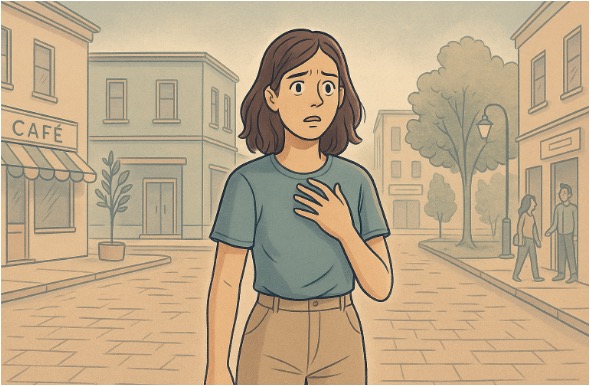
You might find yourself in a location with no recollection of how you got there, or discover that hours have passed without your awareness. These memory gaps occur because different alters hold different memories, and when one takes over, you may not have access to what happened while another alter was in control. Memory gaps can range from minor (forgetting a brief conversation) to significant (losing days or weeks of time).
2. Unfamiliar Thoughts
You might suddenly have thoughts that don’t feel like your own or that contradict what you believe you were just thinking. These thoughts may have a different “voice” or quality to them, as though someone else is commenting on your experiences or directing your actions. Sometimes these thoughts might feel like they’re coming from a specific location in your head, or they might have emotional qualities that feel foreign to your current state.
3. Posture Shifts
When different alters take control, your physical posture may change noticeably. Some alters might stand taller and more confidently, while others may appear hunched or protective of their body. These changes reflect the unique body image and physical comfort level of each alter.
These postural changes are often unconscious but can be significant indicators of switching. For example, a protector alter might take a wider stance with arms crossed, while a child alter might curl up or fidget. Family members or close friends may notice these shifts before you do, especially if they occur alongside other external signs.
4. Handwriting Changes
Handwriting variations between alters can be striking and represent one of the more documented physical signs of switching in DID. Different alters may write with varying pressure, slant, size, and even dominant hand preference.
Some may use cursive while others print, or there might be differences in spelling ability and signature style. These variations aren’t conscious attempts to write differently, they genuinely reflect how each alter interfaces with fine motor skills.
5. Preference Changes

You might find yourself inexplicably drawn to foods you normally dislike, or feeling uncomfortable in clothing you typically wear. These preference changes happen because different alters have their own likes and dislikes, which may be dramatically different from each other.
Some individuals with DID report finding receipts for purchases they don’t remember making, or discovering new items in their home that appeal to a different alter’s tastes.
What Are the Psychological Signals of Switching? (Signs 6 to 8)
6. Identity Confusion
A sudden sense of uncertainty about who you are, your beliefs, or your personal history. You might feel disconnected from your usual sense of self or question thoughts and behaviors that don’t align with your typical personality. This confusion occurs as different alters with distinct identities, values, and self-concepts take control.
7. Emotional Fluctuations
Rapid, unexplained changes in emotional state that feel disconnected from your current circumstances. You might suddenly feel intense emotions (anger, sadness, fear) that don’t match your situation, or experience emotional numbness when you’d normally feel engaged. These shifts reflect the different emotional responses and trauma histories of various alters.
8. Internal Dialogue or Voices
Hearing distinct internal voices, conversations, or commentary that feel separate from your own thoughts. These might include alters communicating with each other, offering different perspectives, or providing running commentary on situations.
Unlike external auditory hallucinations, these voices originate from within and represent the internal communication system between different parts of the personality.
Signs 9 and 10: Physical Symptoms
9. Headaches
Headaches or pressure sensations in the head are commonly reported during or before switching. These may range from mild discomfort to severe pain, often concentrated in specific areas like the temples or behind the eyes.
Some people describe the sensation as a “switching headache” with a distinctive quality that differs from ordinary tension or migraine headaches. These headaches typically resolve once the switch is complete, though they may persist if the system is rapidly switching between multiple alters.
10. Body Sensations
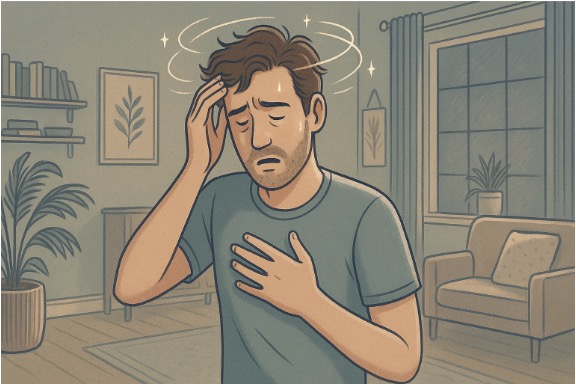
Physical sensations like dizziness, lightheadedness, tingling sensations (particularly in the extremities), temperature changes, or a feeling of floating or disconnection from the body can be signs a switch is about to occur.
Visual disturbances are also common, including blurred vision, tunnel vision, or momentarily seeing through a “veil” or filter. These sensations can be disorienting but typically last only briefly during the actual switch.
Understanding these physical symptoms can help you develop greater awareness of your switching patterns. Many people with DID find it helpful to create a personalized list of their unique physical signs. Tracking these physical symptoms alongside psychological changes can provide valuable insights for both you and your treatment team.
How Can You Track Your Switches Effectively?
Developing awareness of your switching patterns is an important step toward healing. Many people with DID find it helpful to track when switches occur, what triggered them, which alters came forward, and what happened during those times.
This information can reveal patterns you might not otherwise notice and help you develop strategies for managing switches more effectively.
Simple tracking methods include keeping a daily journal, using a specialised DID tracking app, or creating a system calendar. Some people use color coding or symbols to represent different alters, making it easier to visualise patterns over time.
How Should Individuals with DID Approach Switching Awareness with AMFM?
Recognising the 10 signs of switching in DID is the foundation for building greater awareness of your internal system and developing strategies that support stability and healing. Tracking these signs through daily journaling, specialised DID tracking apps, or system calendars can reveal patterns you might not otherwise notice, help you identify your specific triggers, and support better communication with your treatment team. Tools like color coding or symbols to represent different alters can make it easier to visualise patterns over time.
For individuals living with DID and seeking specialised support for understanding and managing switching, AMFM provides trauma-informed mental health care across Southern California, Washington, and Virginia through residential and outpatient programs using phase-oriented trauma therapy, internal family systems work, and EMDR. The AMFM full treatment model honours the protective function of your internal system while supporting healing, improving communication between alters, and reducing disruptive amnesia barriers.
Frequently Asked Questions (FAQs)
How can I tell if I’ve switched between alters?
Common signs include finding yourself in unfamiliar locations without memory of how you got there, discovering evidence of activities you don’t remember doing, experiencing sudden changes in preferences or skills, and noticing physical symptoms like headaches or disorientation. You might also hear from others that your voice, posture, or behavior changed dramatically during certain periods.
Can people with DID control when they switch?
Control over switching varies greatly and often improves with treatment. Initially, switches typically happen involuntarily in response to triggers or stress. However, with therapeutic work, many people develop the ability to influence switching through techniques like grounding exercises, mindfulness practices, and improved internal communication between alters.
Are switches in DID always dramatic and obvious?
No, most switches are actually subtle and may go unnoticed by observers and sometimes even by the person experiencing them. Unlike dramatic media portrayals, real switching often involves gradual transitions that might only be noticeable through careful observation of behavioral patterns, preferences, or subtle changes in mannerisms.
How long do switches typically last in DID?
Switch duration varies enormously, from brief moments to days, weeks, or even months. Some alters may come forward only briefly to handle specific situations, while others might manage daily life for extended periods. The duration depends on factors like the system’s structure, current stressors, environmental safety, and the specific role of the alter.
How does AMFM help people manage switching in DID?
At A Mission For Michael, we provide trauma-informed treatment that focuses on improving communication between alters, processing traumatic memories, and developing practical switching management skills. Our integrated approach includes phase-oriented trauma therapy, internal family systems work, and EMDR, helping individuals achieve greater system cooperation and reduced amnesia barriers.