





Key Takeaways
- Having antisocial personality disorder (ASPD) does not make someone a bad person, but the condition does affect how emotions, decisions, and social cues are processed.
- Most people with ASPD do not meet the criteria for psychopathy, yet the two are routinely treated as the same thing.
- Moral behavior can stem from logic, personal values, and practical judgment as much as from emotional empathy, which means people with ASPD can make genuinely good choices.
- With the right structure and support, individuals with ASPD can build consistent patterns of positive behavior, and treatments provided by A Mission For Michael (AMFM) Mental Health Treatment are designed around exactly that process.
- AMFM Mental Health Treatment offers specialized residential care for ASPD across California, Virginia, and Washington, using adapted CBT, schema-focused therapy, and individualized plans built around each client’s existing motivations.
The Truth About Antisocial Personality Disorder
People with ASPD can be good people. Moral behavior is built on choices and actions, not emotional instinct alone. Many with ASPD arrive at good choices through logic, personal values, or practical judgment rather than emotional empathy.
How someone with ASPD behaves depends heavily on their environment, personal history, and the support available to them. Undergoing treatment with AMFM Mental Health Treatment can help individuals identify practical motivations for positive behavior, and that process starts with understanding what ASPD actually is.
What Makes Someone with ASPD Different?

Core Traits and Behaviors of Antisocial Personality Disorder
Antisocial Personality Disorder manifests through several distinctive behavioral patterns that impact daily functioning and relationships. These include difficulty adhering to social norms, impulsivity in decision-making, and persistent deceitfulness or manipulation.
Individuals with ASPD often display aggression or irritability, particularly when frustrated, alongside a disregard for personal safety or the safety of others. Perhaps most significantly, they typically show limited remorse for the consequences of their actions, making it difficult to learn from negative experiences in the ways neurotypical people might.
The Spectrum Nature of ASPD Symptoms
ASPD exists on a spectrum, with symptoms ranging from mild to severe across individuals. Some may exhibit only occasional impulsivity or irresponsible behaviors, while others demonstrate more persistent patterns of antisocial conduct.
This variability challenges the binary thinking that often categorizes people with ASPD as uniformly “bad.” Understanding this spectrum is essential for both clinicians and the general public to avoid overgeneralizing or stigmatizing those with the diagnosis.
Environmental factors often influence where someone falls on this spectrum. A person with genetic predispositions toward ASPD who grows up in a stable, supportive environment may develop milder symptoms than someone with similar genetics raised in a chaotic or abusive household.
This spectrum perspective reinforces the idea that ASPD is not a singular profile but a complex constellation of traits that manifest differently across numerous factors.
How ASPD Differs from Simply Being “Bad”
The distinction between having ASPD and being a “bad person” lies in understanding that antisocial behaviors stem from neurological differences and psychological adaptations, not moral failings. When someone with ASPD acts in ways that harm others, they’re often responding from a fundamentally different cognitive and emotional framework.
Their brain may not process empathy, consequences, or social cues in typical ways, making conventional moral reasoning challenging. This neurological basis doesn’t excuse harmful behaviors but provides context that can guide more effective interventions.
Rather than punishment-based approaches that assume shared moral reasoning, treatments that acknowledge these differences can help individuals with ASPD develop alternative pathways to prosocial behavior. The goal shifts from trying to make someone feel empathy in conventional ways to helping them find other motivations for constructive social engagement.
The Complex Morality of People with ASPD
Separating the Condition from Moral Character
When discussing whether someone with ASPD can be a “good person,” we must first acknowledge that goodness is determined by choices and actions, not emotional responses alone.
Many individuals with ASPD recognize the advantages of following social rules even when they don’t experience the emotional underpinnings that typically motivate such behavior. They may choose to act in ways that benefit others based on rational calculation, personal codes, or learned values rather than emotional empathy.
This distinction matters because it highlights that moral behavior can stem from multiple pathways. A person with ASPD might not automatically feel another’s pain but can still choose to avoid causing harm based on principles, logic, or practical considerations. Such choices represent a different form of moral agency that deserves recognition rather than dismissal.
Different Ways People with ASPD Experience Empathy
The common assumption that people with ASPD completely lack empathy oversimplifies a complex reality. Research increasingly suggests that empathy exists in different forms, including cognitive empathy (understanding others’ emotions intellectually) and affective empathy (feeling others’ emotions vicariously).
Many with ASPD may have intact cognitive empathy while struggling with affective empathy, allowing them to recognize others’ emotions without automatically sharing those feelings. This pattern can create situations where individuals with ASPD understand emotional dynamics well enough to handle social situations effectively but don’t experience the emotional resonance that typically guides moral decision-making.
Some develop selective empathy, forming genuine attachments to specific people while remaining emotionally detached from others. This variability further challenges black-and-white thinking about ASPD and morality.
The Role of Choice in Behavior for Those with ASPD
Despite differences in emotional processing, people with ASPD retain agency in their decisions and actions. While their choices may be influenced by factors different from those affecting neurotypical individuals, they still make conscious decisions about their behavior.
Recognizing this capacity for choice helps shift the conversation from whether someone with ASPD can be “good” in conventional terms to how they can develop patterns of behavior that contribute positively to their communities and relationships.
This framework acknowledges neurological differences while maintaining expectations for responsible conduct.
Environmental Factors That Shape Moral Development in ASPD
Early Life Experiences and Their Impact
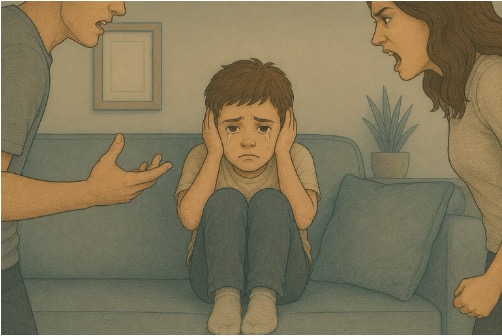
Childhood trauma, neglect, and inconsistent parenting frequently appear in the backgrounds of those diagnosed with ASPD. These adverse experiences can disrupt standard attachment and emotional development, creating adaptive responses that prioritize self-protection over social connection.
For many individuals with ASPD, what appears as callousness began as a survival mechanism in environments where vulnerability was exploited or emotional needs went consistently unmet.
The Vital Role of Consistent Boundaries
Consistent boundaries and predictable consequences play a vital role in shaping moral development for those with ASPD tendencies. In the absence of strong internal emotional guides, such as empathy or guilt, external structure becomes particularly important.
Many individuals with ASPD who function well in society report having had at least one authority figure who maintained firm, fair boundaries during their development. This structured approach provides a framework for understanding cause-and-effect in social interactions, even when emotional connections are limited.
Finding Alternative Motivations for Prosocial Behavior
Since conventional morality often relies heavily on empathy and emotional connection, individuals with ASPD benefit from developing alternative motivations for prosocial behavior.
These include recognizing the practical advantages of cooperation, valuing personal reputation, or finding satisfaction in mastery and competence within social systems. While these motivations differ from emotional empathy, they can still lead to consistently constructive social choices.
How Can AMFM Mental Health Treatment Help Individuals With ASPD?

Having ASPD does not make someone a bad person. Behavior is shaped by environment, personal history, and the motivations someone learns to act on. With the right structure and support, individuals with ASPD can build patterns of behavior that work better for them and the people around them.
At AMFM, we work with each person’s existing motivations rather than trying to impose a one-size-fits-all moral framework. Our residential programs across California, Virginia, and Washington combine evidence-based therapies with individualized care, giving clients the consistent structure and clinical support that makes real behavioral change possible.
Frequently Asked Questions (FAQs)
Can people with ASPD form genuine loving relationships?
Yes, many individuals with ASPD can form attachments and experience love in their own way. These connections may look different from neurotypical relationships, featuring more practical components and selective emotional investment. Many report meaningful connections to specific individuals, particularly when accepted without judgment.
Is ASPD the same as being a sociopath or psychopath?
No. ASPD is a clinical diagnosis in the DSM-5, while “sociopath” and “psychopath” are popular concepts without official diagnostic status. Research suggests only about one-third of those with ASPD would also meet criteria for psychopathy, meaning most individuals don’t fit extreme stereotypes.
Can someone with ASPD change their behavior over time?
Yes, many individuals with ASPD can make meaningful behavioral changes, particularly as they age. Structured treatment focusing on practical skills and personal motivations can accelerate this process. While complete remission may be uncommon, substantial improvement in functioning is achievable for many.
What causes ASPD, genetics or environmental factors?
ASPD emerges from a complex interaction between genetic predisposition and environmental influences. Genetic factors may create neurological vulnerabilities, while childhood experiences like trauma or neglect shape how these tendencies develop. This explains why ASPD often runs in families but doesn’t follow simple inheritance patterns.
How does AMFM Healthcare approach treatment for ASPD?
AMFM provides specialized residential treatment with clinicians experienced in personality disorders. Our approach combines adapted Cognitive Behavioral Therapy, schema-focused therapy, and motivational techniques that work within each client’s existing motivational structure. We focus on practical skill-building and identifying personal reasons for behavioral change rather than imposing external moral frameworks.