





Key Takeaways
- Living alone with schizoaffective disorder can be safe with the right support systems in place, but it increases the risks of anxiety and depression, particularly during major life transitions such as divorce or widowhood when isolation can worsen mental health.
- Research involving over 121,000 participants found that people living alone had a higher prevalence of psychiatric morbidity (1.608 odds ratio), but social satisfaction is the strongest predictor of mental health improvement and can offset many risks.
- Loneliness notably slows recovery from schizoaffective disorder, with contributing factors including unemployment, financial strain, and societal stigma increasing feelings of isolation and hindering recovery outcomes.
- Daily coping techniques for safe independent living include establishing consistent routines, practicing mindfulness and meditation, monitoring mental health through journaling and apps, planned meals with balanced nutrition, and scheduled relaxation periods.
- A Mission For Michael (AMFM) supports people with schizoaffective disorder through personalised treatment plans combining psychotherapy, education, medication management, and family therapy across Southern California, Washington, and Virginia, supported by accreditations from The Joint Commission and the California Department of Health Care Services.
Is It Safe for Someone with Schizoaffective Disorder to Live Alone?
Living alone with schizoaffective disorder can be safe when the right support systems, coping strategies, and clinical care are in place, but it carries real risks that need to be weighed carefully. Research involving over 121,000 participants found that people living alone had a 1.608 odds ratio for higher psychiatric morbidity, with the impact particularly severe during major life transitions like divorce or widowhood, suggesting isolation during vulnerable periods worsens mental health outcomes. At the same time, research shows that living alone can serve as a protective factor for some individuals recovering from psychosis when social satisfaction remains high through meaningful connections, regular mental health check-ins, and engagement with community.
For individuals with schizoaffective disorder considering whether to live alone, or for families helping a loved one work through this decision, A Mission For Michael (AMFM) provides personalised mental health care across Southern California, Washington, and Virginia through residential and outpatient programs using evidence-based therapies including CBT, DBT, EMDR, and family therapy.
What Are the Risks of Living Alone with Schizoaffective Disorder?
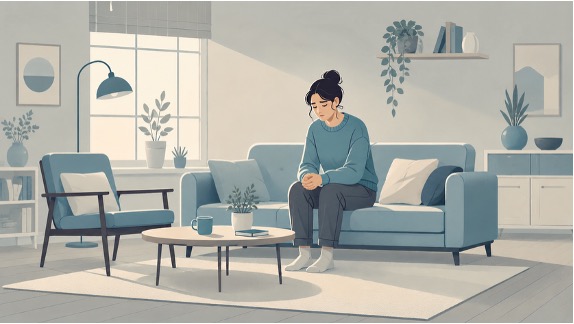
A large-scale study involving over 121,000 participants found that participants who lived alone had a higher prevalence of psychiatric morbidity, with a 1.608, 95% odds ratio. The impact was particularly severe for individuals experiencing life transitions, such as divorce or widowhood, indicating that isolation during these vulnerable periods can exacerbate mental health issues.
Social Satisfaction as a Protective Factor
Despite the risks, living alone can serve as a protective factor for individuals recovering from psychosis. Research has shown that social satisfaction, defined by the quality rather than quantity of social interactions, is the strongest predictor of mental health improvement. Meaningful connections can mitigate the adverse effects of solitude for a greater sense of well-being and recovery.
Loneliness and Its Impact on Recovery
Loneliness remains a prevalent challenge for individuals with schizoaffective disorder. An integrative review identified contributing factors such as unemployment, financial strain, and societal stigma. These issues increase feelings of isolation and hinder recovery outcomes.
Implications for Mental Health Practice
- Addressing Social Isolation: Interventions in loneliness and the development of meaningful social networks are required.
- Improving Social Satisfaction: Programs that emphasize the quality of social contact could considerably improve the outcomes of mental health.
- Holistic Support Services: Mental health services should be integrated into the physical health and social support services as part of the whole recovery process.
What Are the Daily Coping Techniques for Independent Living?
| Technique | Description | Purpose |
| Establishing Routine | Create a routine incorporating specific times for rising, meals, and activities to place structure in your life, and reduce stress. | Creates structure and predictability, reducing stress and managing symptoms. |
| Mindfulness Practices | Breathe deeply, meditate or do yoga. | This lowers stress, improves self-awareness, and supports emotional regulation. |
| Monitoring Mental Health | Maintain a journal to document daily experiences and emotional reactions. Use mental health apps to monitor patterns and trends. | Helps recognize mood shifts and behavioral changes to make symptom management easier. |
| Planned Meals and Activities | Eat a balanced diet and incorporate necessary nutrition and exercise into daily routines. | Supports overall physical health and mental well-being. |
| Scheduled Relaxation | Allocate time for hobbies and relaxation activities. | Promotes mental well-being and reduces feelings of being overwhelmed. |
What Are the Alternatives to Living Alone?
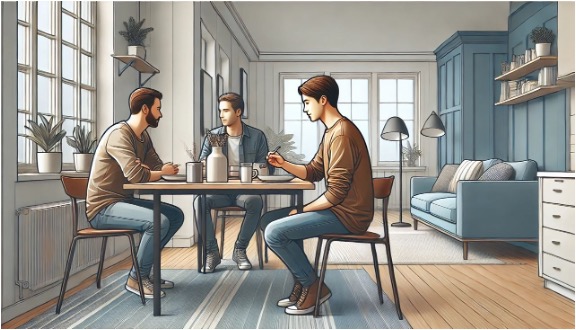
Shared Living Options
For people with schizoaffective disorder, shared living is a good option because it gives them independence and support. You can live with family or in a group home.
You’ll have help with daily tasks and the necessary support during crises or when symptoms get worse. Plus, being around other people makes us feel safer.
Make sure your housemates understand your mental health needs. Open communication about boundaries and expectations is key to a supportive home.
Assisted Living
Assisted living is for you if you want to be independent but need help with your symptoms.
Assisted living facilities are a secure environment designed for the needs of individuals who may not be able to live completely independently but still value some autonomy.
Evaluating the Decision to Live Alone
The first thing to consider is whether you’re ready for this on a personal level. Look at your ability to manage your medication, stick to a routine, and handle emergencies on your own. It’s also worth thinking about the strength and reliability of your support network. Having a solid circle of family and friends is really important for managing life alone successfully.
You can reach out to mental health professionals who can assess your readiness for living independently and offer advice based on a deep understanding of your condition. They can also put you in touch with the right people and support services, whatever your living situation.
How Should Individuals and Families Approach Schizoaffective Disorder Care with AMFM?

Whether it is safe for someone with schizoaffective disorder to live alone comes down to a careful balance of risk factors and protective factors. The risks are real: research involving over 121,000 participants showed a 1.608 odds ratio for higher psychiatric morbidity in people living alone, with the impact particularly severe during life transitions like divorce or widowhood, and loneliness notably slows recovery, especially when paired with contributing factors like unemployment, financial strain, and societal stigma.
For individuals with schizoaffective disorder weighing the decision to live alone, or families helping a loved one work through this choice, AMFM provides personalised mental health care across Southern California, Washington, and Virginia through residential and outpatient programs using evidence-based therapies including CBT, DBT, EMDR, and family therapy.
Frequently Asked Questions (FAQs)
Is it safe for someone with schizoaffective disorder to live alone?
Living alone with schizoaffective disorder can increase psychiatric risks such as anxiety and depression, especially during significant life transitions like divorce or widowhood. But, with the right support systems and coping strategies, individuals can manage these risks effectively.
How can social satisfaction protect against the challenges of living alone?
Social satisfaction, defined by the quality of social interactions rather than quantity, can help mitigate the adverse effects of solitude.
What daily coping techniques are recommended for someone with schizoaffective disorder living alone?
Daily coping routines for individuals with schizoaffective disorder include establishing routines, practicing mindfulness, monitoring mental health, planning meals and activities, and scheduling relaxation periods.
What alternatives are there to living alone for someone with schizoaffective disorder?
Alternatives to living alone include shared living arrangements, with friends or family, and assisted living facilities.
Why choose A Mission For Michael for your schizoaffective disorder treatment?
At A Mission For Michael (AMFM), we offer personalized treatment plans with a holistic approach, offering both psychoeducation and psychotropic medications in a supportive setting.