Bipolar Treatment for Veterans and Active Military

bipolar veteran

How Does Bipolar Disorder Impact Veterans?

Veterans and active duty military service members often face mental health challenges upon return to civilian life. Veterans and military service members have an increased risk for self-harm, depression, traumatic brain injury (TBI), and flashbacks, which can make settling into the general population incredibly challenging.

Recent studies have shown history of previous trauma exposure when assessing Veterans at risk for bipolar disorder, and that particular attention should be given to Veterans with bipolar disorder and exposure to trauma during childhood, which may be associated with increased risk of suicidality.1 Service-connected trauma is a very particular, individual and isolating obstacle, and should be treated with care, compassion and understanding. Research indicates that approximately 14% to 16% of the US service members deployed to Afghanistan and Iraq have been affected by severe symptoms of PTSD or depression.2 

What is Bipolar Disorder?

Bipolar Disorder is defined by the American Psychological Association as a “serious mental illness in which common emotions become intensely and often unpredictably magnified.”6 Bipolar disorder is often characterized by drastic mood swings from high-energy, happiness and productivity to lows of sadness, exhaustion and major depression, and the shift between these two phases can grow to be so intense that an individual may consider suicide. Studies have shown that individuals living with Bipolar Disorder are at increased risk to attempt suicide at least once in their life, by 25-60%.7

Bipolar I

In order to be diagnosed with Bipolar I Disorder, according to the diagnostic and statistical manual of mental disorders (DSM-5) an individual must experience at least one manic episode. Episodes of mania are generally characterized by mood changes, increased energy levels, rapid talking, increased grandiosity, (an overinflated sense of self), distractibility (which may be misattributed or related to attention deficit hyperactivity disorder), engaging in impulsive or risky behavior, and more.

Bipolar II

While Bipolar II Disorder is also characterized by manic episodes, they may be shorter or less severe, referred to as hypomania. A person struggling with Bipolar II will experience depressive episodes, while an individual struggling with Bipolar I may or may not experience depression.

ARE YOU OR A LOVED ONE STRUGGLING WITH MENTAL HEALTH?

AMFM is here to help you or your loved one take the next steps towards an improved mental well-being.

Symptoms of Bipolar Disorder in Veterans

During manic or hypomanic episodes, a person struggling with bipolar disorder may be experiencing bipolar anger or bipolar rage. In these cases, intense emotions and extreme mood swings can be difficult to navigate. It’s important to understand bipolar disorder symptoms in veterans to recognize when your loved one might be experiencing a manic or hypomanic episode, so you can provide them with resources and professional help.

Manic Episodes

In order to be diagnosed with Bipolar I Disorder, according to the diagnostic and statistical manual of mental disorders (DSM-5) an individual must experience at least one manic episode. Episodes of mania are generally characterized by mood changes, increased energy levels, rapid talking, increased grandiosity, (an overinflated sense of self), distractibility (which may be misattributed or related to attention deficit hyperactivity disorder), engaging in impulsive or risky behavior, and more.

Hypomanic Episodes

Hypomania refers to a shorter duration of manic symptoms, with generally milder symptoms. In order to be diagnosed with Bipolar II, an individual must experience at least one episode of hypomania, in addition to an episode of depression (manic depression).

Depressive Episodes

In order to be diagnosed with Bipolar II, an individual must experience both a hypomanic and a depressive episode. Depressive episodes are characterized by low moods, suicidal thoughts, or other common symptoms of depression like loss of interest, low self-esteem, fatigue, or changes in appetite. If you or a loved one are struggling with suicidal ideation and need immediate medical assistance, please call 911 for emergency medical attention, or 988, the National Suicide and Crisis hotline, which is available 24/7, free of cost.

Therapy for Veterans with Bipolar Disorder

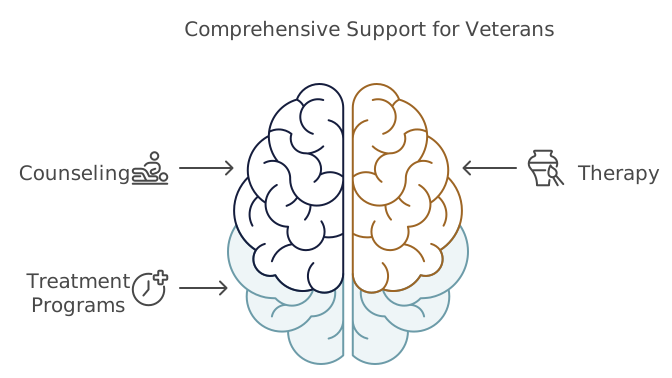
AMFM Mental Health Treatment for veterans combines holistic and evidence-based mental health services in order to help each person overcome their particular obstacles and mental health conditions with a fresh toolkit of skills. In the case of veterans, therapies and mental health resources are often geared toward recovery from post-traumatic stress disorder and other trauma challenges.

EMDR Therapy

EMDR Therapy is a renowned method of reprocessing most often used in trauma therapy. By activating the prefrontal cortex through a series of bilateral stimulation, qualified professionals can lead you through traumatic experiences, helping you to alleviate the distress symptomized by trauma.8 In the case of veterans and service members struggling with high-stress environments, common stressors and traumatic events, EMDR therapy is highly recommended for effective treatment.

Cognitive-Behavioral Therapy (CBT)

Cognitive-Behavioral Therapy (CBT) is a form of therapy that’s focused on restructuring and reprogramming maladaptive and negative thought processes.9 Psychologists are trained to help you change your cognitive and emotional processes in order to outgrow coping mechanisms that may no longer be serving you. CBT has been proven to help with increasing mindfulness and emotional well-being for long-term recovery.

Dialectical Behavior Therapy (DBT)

DBT, or “talk therapy,” helps process emotions by talking through situations with a qualified individual, in order to move forward with healthier ways of navigating interpersonal relationships, minimizing physical and emotional stress.

Group Therapy

Group therapy sessions can be used to provide structured times to help you understand that you are not alone in your struggles, encouraging peer support through these challenges, while also providing guidance, suggestions and communications from psychologists with specialized backgrounds.10 

Individual Therapy

Our individual therapy sessions for men provide a safe, one-on-one space to explore personal challenges and develop effective coping strategies, utilizing evidence-based approaches like cognitive-behavioral therapy (CBT). These tailored sessions focus on addressing root causes of mental health concerns and fostering long-term resilience.

Holistic Therapies

Our inpatient program integrates holistic therapies into our treatment plans to address the mind-body connection, using mindfulness, yoga, meditation, and nutritional guidance. These practices enhance overall well-being and complement evidence-based therapies for comprehensive healing.

Electroconvulsive Therapy (ECT)

ECT is a form of “Shock Therapy,” designed for brain stimulation, and only utilized in cases of severe depression. While ECT has historically gotten a bad reputation, when properly administered it can be a useful tool for those who cannot accept psychiatric assistance.

Transcranial Magnetic Stimulation (TMS)

TMS is a type of therapy that uses magnetic pulses to treat anxiety and depression by stimulating certain areas of the brain. This is a noninvasive method of treatment that some mental health programs offer. 

Family Therapy

AMFM Mental Health Treatment offers family therapy through virtual family support groups that provide a dedicated time for families to engage in supportive and constructive interactions, fostering stronger relationships, and enhancing the overall treatment experience. Recovery takes a village, and it’s often helpful for family members to be involved in behavioral growth.

Veterans Crisis Line

Dial 988, then press 1 to be connected to the Veterans’ Crisis Line–a 24/7 confidential hotline for Vets and their loved ones. You don’t have to be enrolled in VA benefits or health care to connect.

Find Bipolar Disorder Treatment Programs

A Mission For Michael (AMFM) provides treatment for adults experiencing various conditions. Bipolar Disorder support is a phone call away – call 866-478-4383 to learn about our current treatment options.

See our residences in Southern California’s Orange County & San Diego County.

Take a look at our homes on the east side of the Metro area in Washington County.

View our facilities in Fairfax County, VA within the DC metro area.

Types of Bipolar Disorder Treatment Programs for Veterans Near Me

AMFM Mental Health Treatment center offers specialized mental health treatment across multiple locations. Our California, Virginia, and Washington locations offer veterans mental health programming and mental health crisis services at the highest level of care. We provide comprehensive case management, a variety of therapies, behavioral health services, and a safe and supportive environment for wellness. We are strategically placed to provide accessible, high-quality care tailored to your needs. To find out more about our facilities, contact us today. Explore our locations below to find the one nearest to you.

Inpatient Bipolar Disorder Treatment for Veterans

Inpatient Treatment for Bipolar Disorder refers to residential, or live-in mental health care programming in a facility. Inpatient treatment allows you or your loved one to engage in interpersonal therapy with licensed therapists and group therapy sessions, while healing in a safe and supportive environment. Inpatient mental health programming for anxiety usually also provides the highest level of care, with 24/7 clinical care, psychiatry and medication management, and personalized treatment plans for lasting well-being.

Outpatient Bipolar Disorder Treatment for Veterans

Outpatient Treatment (IOP or PHP) programs offer comprehensive mental health care at a more flexible schedule, with both in-person and virtual options available. Unlike residential care, intensive outpatient treatment can offer online therapy and programming, but without 24/7 clinical teams on staff. Outpatient treatment plans still offer a combination of individual and group therapy, through a holistic approach, but in a less structured environment.

If you have been struggling with one or more of the anxiety symptoms we have mentioned, know that you’re not alone. A Mission For Michael Mental Health Treatment has admission counselors available around the clock to help determine which treatment options can assist you in managing anxiety. Contact us today to begin your confidential and free mental health assessment.

Other Mental Health Programs for Veterans

AMFM Mental Health Treatment has extensive experience treating a variety of mental health disorders beyond depression through evidence-based therapies, including but not limited to the following:

  • Anxiety Disorders
  • Eating Disorders
  • Obsessive Compulsive Disorder (OCD)
  • Post-Traumatic Stress Disorder (PTSD)
  • ADHD
  • Bipolar Disorder
  • Mood Disorders
  • Psychosis 
  • Schizophrenia
  • Panic Attacks

Recovery can feel isolating; mental health programming can provide cohesive treatment plans to help you or your loved one as you move forward, overcoming your mental illness.

Does Insurance Cover Treatment for Bipolar Disorder?

The VA offers health insurance and resources to veterans. If you’re looking to enroll in VA services, you can look into Tricare Health Alliance or others through the Veterans Health Administration. Most VA-related health insurance companies provide some form of coverage for depression treatment. This often includes both inpatient and outpatient care, depending on your symptoms. Coverage generally applies to therapy, counseling, and medication management services. Your plan may have limitations, exclusions, or required authorizations.

We encourage you to verify your coverage with AMFM Mental Health Treatment to understand the full scope of your insurance plan’s in-network benefits. Veterans can also obtain a VA disability rating for bipolar disorder, giving them access to monthly compensation.11 If you want to learn more about your disability compensation, VA disability benefits, your VA disability rating for bipolar disorder, or VA claims, you can learn more here, or fill out our insurance verification form below, to see how AMFM Mental Health Treatment coverage may fit for you.

Check Your Coverage Instantly

Insurance can be complicated but we are here to help. AMFM has over a decade of experience in the mental health field and is in-network with many large insurance providers.

By using our form, we can quickly determine if you are in-network at one of our facilities. Insurance benefits vary greatly depending on the policy you have, so we obtain a detailed quote of your coverage.

It usually takes between sixty to ninety minutes depending on the time of day.

Our team will check insurance coverage and determine the benefits available to you for mental health services.

We also have private pay options available.

100% Confidential

No Commitment

Bipolar Disorder Treatment for Veterans at AMFM

A Mission For Michael Mental Health Treatment was founded to bring mental health resources and recovery to those who need it, meeting you with empathy at every step of the way. From admissions to aftercare, our teams are trained to provide the highest level of care, combining compassion with evidence-based personalized treatment plans. Our goal is to encourage and enable long-term behavioral growth and mental well-being in our mental health treatment facilities, to set our clients up for success for the rest of their lives.

You don’t have to embark on this journey alone. Call us to speak confidentially with a member of our care team today.

Have Questions About Treatment for Bipolar Disorder?

Request a Call from Our Admission Team

Complete the form to receive a prompt call back from a member of our experienced and compassionate admissions staff. All communication is 100% confidential.

"*" indicates required fields

This field is hidden when viewing the form

Veteran suicide rates have reached their highest level in recorded history, with over 6000 veterans dying by suicide annually.3 AMFM Mental Health Treatment facilities provide compassionate care, suicide prevention strategies, and readjustment counseling to any active or inactive military personnel struggling with military sexual trauma, PTSD, depression, or other related mental health disorders. 

In 2020, approximately 5.2 million Veterans experienced a behavioral health condition.4 Beyond mental health problems and behavioral struggles, Veterans make up a significant percentage of the homeless and transient population. The U.S. Department of Housing and Urban Development (HUD) estimates that 40,056 veterans are homeless on any given night, and over the course of a year, approximately twice that many experience homelessness.5 The U.S. Department of Veterans Affairs (VA) offers both medical benefits, VA health care, and housing assistance for veterans and their loved ones. You can learn more about your eligibility for coverage and assistance at https://www.va.gov/, or download the VA app here to find resources or a vet center near you.

Fijtman A, Clausen A, Kauer-Sant’Anna M; VA Mid-Atlantic MIRECC Workgroup. Electronic address: john.fairbank2@va.gov; Morey R. Trauma history in veterans with bipolar disorder and its impact on suicidality. J Psychiatr Res. 2023 Jan;157:119-126. doi: 10.1016/j.jpsychires.2022.10.063. Epub 2022 Nov 2. PMID: 36463626.

Moore MJ, Shawler E, Jordan CH, Jackson CA. Veteran and Military Mental Health Issues. 2023 Aug 17. In: StatPearls [Internet]. Treasure Island (FL): StatPearls Publishing; 2025 Jan–. PMID: 34283458.https://pubmed.ncbi.nlm.nih.gov/34283458/ 

Owens, Stacey. “Supporting the Behavioral Health Needs of Our Nation’s Veterans.” Www.samhsa.gov, 8 Nov. 2022, https://www.samhsa.gov/blog/supporting-behavioral-health-needs-our-nations-veterans 

Veteran homelessness. National Coalition for Homeless Veterans. (2025b, February 26). https://nchv.org/veteran-homelessness/ https://nchv.org/veteran-homelessness/ 

American Psychological Association. (n.d.-a). American Psychological Association. https://www.apa.org/topics/bipolar-disorder 

Novick DM, Swartz HA, Frank E. Suicide attempts in bipolar I and bipolar II disorder: a review and meta-analysis of the evidence. Bipolar Disord. 2010 Feb;12(1):1-9. doi: 10.1111/j.1399-5618.2009.00786.x. PMID: 20148862; PMCID: PMC4536929.

“What is EMDR?” EMDR Institute, https://www.emdr.com/what-is-emdr/. Accessed 20 February 2025.

“APA Dictionary of Psychology.” APA Dictionary of Psychology, https://dictionary.apa.org/cognitive-behavior-therapy. Accessed 20 February 2025.

“Psychotherapy: Understanding group therapy.” American Psychological Association, 31 October 2019, https://www.apa.org/topics/psychotherapy/group-therapy. Accessed 20 February 2025.

Bipolar VA rating. Veterans Guide. (2025, March 19). https://veteransguide.org/va-disability/ratings/bipolar/#:~:text=The VA rates bipolar disorder,a link to military service. 

Prefer texting to talking on the phone? We’ve got you covered 24/7.