Zoloft for Anxiety

With different depression and anxiety medications available as prescription pills, it is important to know how they function. Antidepressants like Zoloft treat anxiety disorders and depression but may have side effects.

The information below is presented as a generalized and educational overview. The specific details of treatment protocols mentioned in this article may not reflect the protocols utilized by A Mission for Michael (AMFM). If you would like to learn more about AMFM’s individualized programs to aid those struggling with mental health disorders, please reach out.

Zoloft Overview

Zoloft is one of the most common medications for anxiety and mood disorders. Due to the challenging symptoms of anxiety, it is imperative to opt for the right treatment method, including antidepressants like Zoloft.[1]

Zoloft is a brand name for the generic name sertraline hydrochloride. It is an approved medication for treating social anxiety disorder, a type of anxiety disorder. It helps individuals improve from the previous irrational fear of judgment or self-humiliation symptoms.

As a selective serotonin reuptake inhibitor (SSRI), the drug functions by slow reabsorption of serotonin. Note that serotonin is a neurotransmitter that plays an important role in mood regulation and anxiety. It helps treat various health conditions, including major depressive disorder, obsessive-compulsive disorder, and post-traumatic stress disorder (PTSD).

Zoloft medication effects

Zoloft Uses

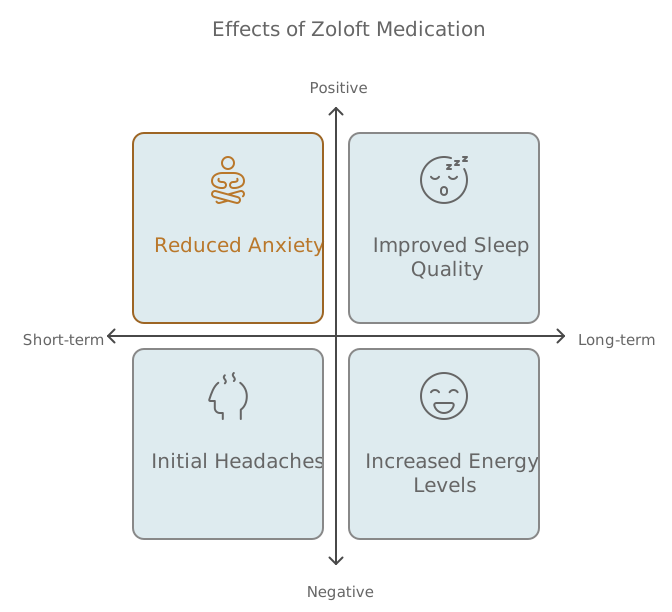
Among other uses of sertraline, it can help treat depression, panic attacks, obsessive-compulsive disorder, and social anxiety disorder is common. It also helps improve one’s mood, sleep, energy levels, and appetite. With the right dosage, it can restore interest in certain activities. It may aid in decreasing unwanted thoughts, fear, panic attacks, and anxiety.

Other common mental health conditions that the medication may treat include premenstrual dysphoric disorder (PMDD), post-traumatic stress disorder, and in some cases, eating disorders.

Zoloft Dosages

The appropriate Zoloft dosage depends on the mental health condition to treat. However, the best time of the day to take Zoloft for anxiety is either morning or night. Here are the different dosages of Zoloft for anxiety and other disorders:[1]

Panic disorder and post-traumatic stress: The initial Zoloft dosage is 25mg orally every day (once a day) for panic disorder and post-traumatic stress. After a week, the dosage should increase to 50mg orally every day (once a day). The maintenance dose falls between 50mg to 200mg orally every day (once a day).

Premenstrual Dysphoric Disorder: The dosage falls into two different categories; the continuous and the cyclic regimen. For the continuous, the initial dose is 50mg a day during menstruation, while the maintenance dose is between 50mg to 150mg once a day orally during the cycle. For the cyclic regimen, individuals take 50mg of the medication orally every day (fourteen days before the start of menstruation down to the first full day of the cycle). With each new cycle, the same dosage applies. The maintenance dose is between 50mg to 100mg orally every day.

Adult Obsessive-Compulsive Disorder: The appropriate Zoloft dosage for anxiety follows an initial dose of 50mg orally daily, while the maintenance dose is between 50mg to 200mg orally every day.

Pediatric Obsessive-Compulsive Disorder: For children within the ages of six to twelve years, the initial dose of the medication should be 25mg orally once every day. The maintenance dose should be between 25mg to 200mg orally once every day. Older children between the ages of thirteen and seventeen should take an initial dose of 50mg orally once a day. The maintenance dose should be 50mg to 200mg orally daily.

Start your journey toward calm, confident living with Anxiety at AMFM!

Zoloft Side Effects & Interactions

Common Side Effects

Side effects of sertraline may range from mild to severe, depending on dosage and sometimes age. If any side effects are frequent and severe, speak to your doctor for immediate help.

Note that for some Zoloft side effects first week experiences, individuals do not feel them for long. According to health experts, Zoloft weight gain may be inevitable as up to 25% of people who take antidepressants increased in weight.[2]

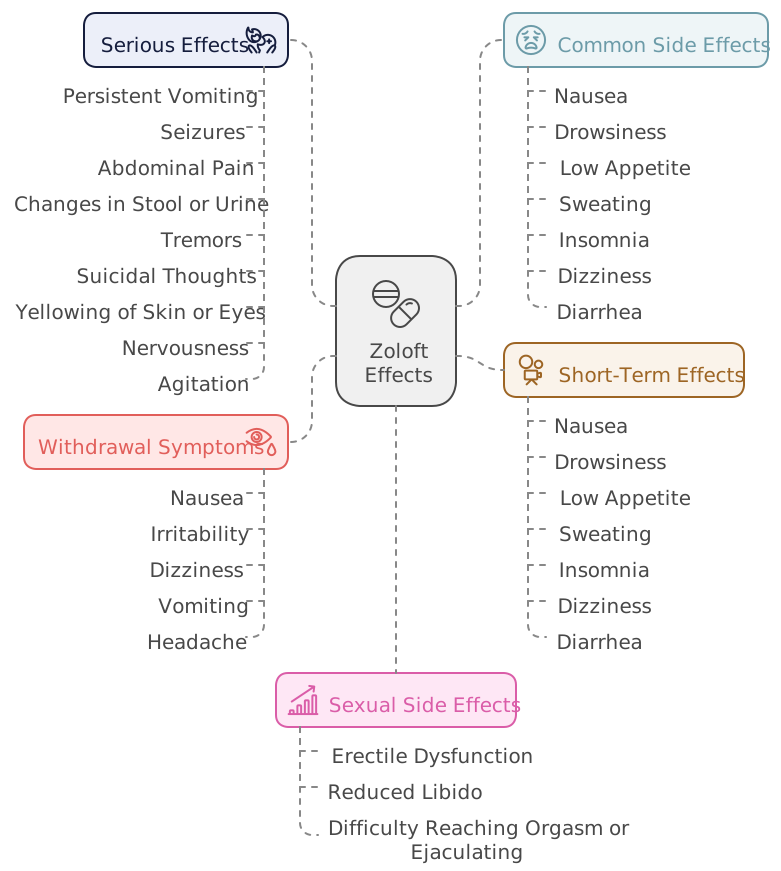
Short Term Effects

Some of the prevalent side effects of Zoloft among young adults and older individuals include:

  • Nausea
  • Drowsiness
  • Low appetite
  • Sweating
  • Insomnia
  • Dizziness
  • Diarrhea

Serious Side Effects

Severe side effects of Zoloft include:

  • Persistent vomiting
  • Seizures
  • Abdominal pain
  • Changes in stool or urine
  • Tremors
  • Suicidal thoughts
  • Yellowing of the skin or eyes
  • Nervousness
  • Agitation

Sexual Side Effects

Zoloft causes sexual side effects that may require changing dosage plans or opting for an alternative medication. Here are the common Zoloft sexual side effects sexually:

  • Erectile dysfunction
  • Reduced libido
  • Difficulty reaching orgasm or ejaculating

Zoloft Withdrawal

An abrupt stop in the usage of sertraline results in various withdrawal symptoms, which is also the “discontinuation syndrome.” Chances of developing a withdrawal symptom due to the drug may relate to its half-life.

Half-life means the period it takes for the body to metabolize 50% of a medication’s active elements and flush them from the body. Most withdrawal symptoms of Zoloft fall within three to six weeks.

Some of the common Zoloft withdrawal symptoms:

  • Nausea
  • Irritability
  • Dizziness
  • Vomiting
  • Headache
2 1 | AMFM Treatment
Find out about our free anxiety assessment & admissions process

We accept most major insurance providers and can check your coverage levels for you.

If we are not an appropriate provider for care, we will assist in finding a care provider that can help. 

Zoloft Precautions & Warnings

Most doctors prescribe lower dosages from the start and increase later. In most cases, it should take up to a week before increasing the dose. Speak to a licensed doctor to know the appropriate dosage increase to follow.

Any dosage above the recommended 50mg to 200 mg of use is too high and can result in severe side effects. According to credible Zoloft for anxiety reviews, overdosing on the medication may cause nausea, lethargy, and tremor.

Before using a medication like sertraline, speak to the doctor about past medical history, especially relating to liver disease, thyroid disease, or any family history of glaucoma. The drug may result in QT prolongation, which causes a fast or irregular heartbeat.

Most liquid forms of the sertraline brand contain alcohol. For this reason, individuals with diabetes, alcohol dependence, or liver disease should speak to the doctor. Even though the medication is safer for pregnant women compared to other antidepressants, it’s imperative to use it when only required.

As a pregnant woman, the doctor may advise some alternatives to the medication, which include talk therapy or lifestyle changes.

Storage & Handling of Zoloft

It’s important to store the drug in its original container at room temperature. Similar to typical medications, it should be away from heat and moisture and also out of the reach of children. Do not share the medication with other people, even when they display any symptoms of anxiety.

Benefits & Drawbacks

PROS

  • It causes less drowsiness compared to other antidepressants
  • One of the best options for pregnant women
  • One of the few SSRIs that work with few side effects

CONS

  • It takes a while before kicking in, sometimes three months, for the best effect.
  • Very likely to cause diarrhea compared to other antidepressants
  • Negatively interacts with lots of substances, similar to other antidepressants

Find Anxiety Treatment Programs

A Mission For Michael (AMFM) provides treatment for adults experiencing various conditions. Anxiety support is a phone call away – call 866-478-4383 to learn about our current treatment options.

See our residences in Southern California’s Orange County & San Diego County.

Take a look at our homes on the east side of the Metro area in Washington County.

View our facilities in Fairfax County, VA within the DC metro area.

FAQs

An appropriate dosage of the medication makes people feel less anxious or fearful. It also reduces the urge for compulsive behaviors. In addition, the antidepressant helps improve overall sleep quality, energy levels, and unwanted thoughts.

Since the drug may make individuals experience headaches, fatigue, and nausea during the first week, doctors may initially prescribe low doses. It is advisable to increase the dosage with time, based on the health professional’s advice.

Zoloft is an approved antidepressant for the treatment of social anxiety disorder. In some cases, it is also suitable for treating generalized anxiety disorder (GAD). Compared to some other types of antidepressants, using Zoloft for anxiety works, and it typically improves symptoms of different types of anxiety disorders.

Since the medication does not work immediately, you must continue intake until symptoms improve. It takes between two to six weeks for anxiety symptoms to improve in individuals using the medication.

It’s vital to avoid any substance, food, or drink that may cause a bad interaction affecting Zoloft and anxiety treatment. Besides alcohol, some other major foods or drinks to avoid are chocolate and caffeine-containing food items. Combining those with sertraline may result in high fever, nausea, trembling, sweating, and agitation.

The risks of taking sertraline are low when managed for that long period of time. Most antidepressants have long-term risks of sexual problems, weight gain, emotional numbness, reduced positive feelings, and feelings of addiction.[1]

While taking the medication, it’s unadvisable to consume alcohol. Combining the antidepressant with alcohol will make someone feel very drowsy, which is dangerous. Mixing both substances also raises the risk of developing other unpleasant side effects of the drug. Individuals may observe increased signs of anxiety, nausea, depression, headaches, and drowsiness.

The US Food and Drug Law Administration advises avoidance of alcohol when using the sertraline brand.[2]

Other drugs to avoid interaction of the sertraline with include:

  • Fentanyl
  • Antipsychotic medications
  • Monoamine oxidase inhibitors
  • Certain serotonin reuptake inhibitors
  • Non-steroidal inflammatory drugs (NSAIDs)
  • Lithium
  • Serotonin and norepinephrine reuptake inhibitors (SNRIs)

At AMFM, we strive to provide the most up-to-date and accurate medical information based on current best practices, evolving information, and our team’s approach to care. Our aim is that our readers can make informed decisions about their healthcare.

Our reviewers are credentialed medical providers specializing and practicing behavioral healthcare. We follow strict guidelines when fact-checking information and only use credible sources when citing statistics and medical information. Look for the medically reviewed badge on our articles for the most up-to-date and accurate information.

If you feel that any of our content is inaccurate or out of date, please let us know at info@amfmhealthcare.com